
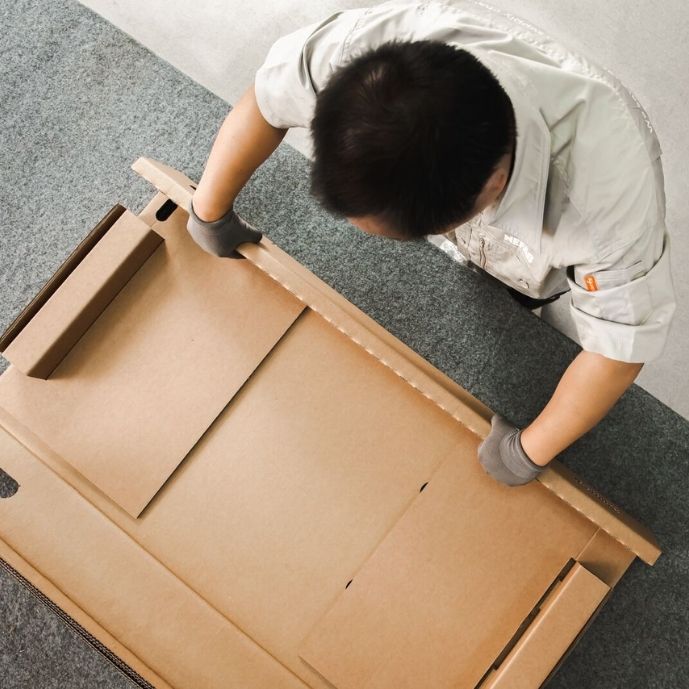
The Packaging and Packaging Waste Regulation (PPWR), Regulation (EU) 2025/40, introduces new requirements for packaging placed on the European Union market. The regulation aims to reduce packaging waste, improve packaging recyclability and reuse, increase recycled content in certain plastic packaging, minimize unnecessary packaging and harmonize packaging requirements across the EU.
PPWR entered into force on February 11, 2025, and its general provisions began applying on August 12, 2026. Specific obligations take effect on different dates, with many key measures starting in 2030 and others following later.
For companies using industrial, transport or other packaging, preparing for PPWR means understanding how the regulation applies to your packaging portfolio and assessing areas such as packaging design, material use, recyclability, reusability, empty-space minimization, recycled content and packaging data.

Is your packaging ready for PPWR?
Nefab can help assess your packaging and identify opportunities for optimization, reuse and recyclability to support PPWR readiness and help address applicable compliance requirements.
PPWR at a Glance

What Is PPWR?
The Packaging and Packaging Waste Regulation (PPWR) is the European Union's framework for reducing packaging waste and improving the circularity of packaging.
PPWR establishes requirements for all packaging within its scope placed on the EU market, addressing packaging design, composition, recyclability, reuse, waste prevention, labeling and producer responsibilities. The specific requirements depend on factors such as the type, material, intended use and format of the packaging.
The regulation applies to packaging across the supply chain, including consumer, industrial, transport and B2B packaging. Businesses must therefore assess all packaging that falls within the definition of packaging under PPWR and ensure compliance with the applicable requirements, regardless of its material, format or intended use.
PPWR is being introduced progressively, with different requirements applying at different times. Businesses should therefore assess their entire packaging portfolio early and develop a compliance roadmap that addresses the applicable requirements and implementation timelines for their packaging and operations.

Summary of PPWR roles and definitions
Understanding each party’s role is an important first step in PPWR readiness. Responsibilities vary across the packaging supply chain and depend on the role, packaging type and applicable PPWR provisions.
| Term | PPWR definition | What this means in practice |
|---|---|---|
| Manufacturer | Any natural or legal person that manufactures packaging or a packaged product; however, specific rules apply where packaging or a packaged product is designed or manufactured under its own name or trademark, including a specific exception for certain micro-enterprises. | Where applicable, the manufacturer is responsible for meeting the PPWR obligations attached to that role, including conformity assessment, technical documentation and the EU Declaration of Conformity. |
| Producer | Any manufacturer, importer or distributor, or other natural or legal person, who, irrespective of the selling technique used, including by means of distance contracts, makes packaging available for the first time in a Member State on a professional basis under its own name or trademark. | Producers are responsible for fulfilling applicable EPR obligations, including registration, reporting and financing of the management of packaging waste, subject to the applicable rules and exemptions. |
| Supplier | Any natural or legal person that supplies packaging or packaging material to a manufacturer. | Suppliers must provide the packaging information and documentation required by their customers to support applicable PPWR obligations. |
| Economic operator | The manufacturer, the supplier, the importer, the distributor, the authorised representative, the final distributor and the fulfilment service provider. | The applicable obligations depend on the economic operator’s specific role and activities relating to packaging or packaged products placed on, or made available on, the Union market. |
In practice, PPWR readiness requires early collaboration across the supply chain to establish roles, collect reliable packaging data and support the applicable obligations.
PPWR Timeline
Key PPWR Packaging Requirements
What Is the PPWR 50% Empty-Space Requirement?
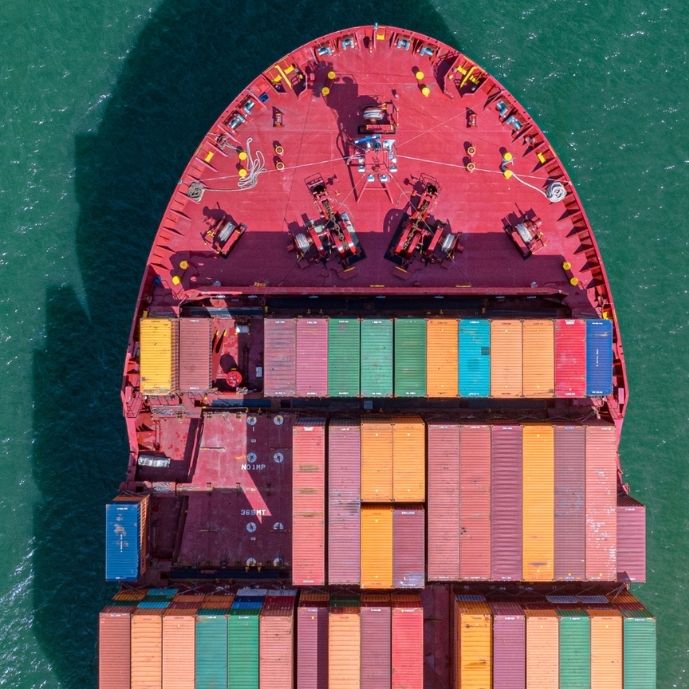
PPWR introduces a maximum 50% empty-space ratio for grouped packaging, transport packaging and e-commerce packaging, subject to the scope and conditions set out in the regulation.
The requirement applies from 1 January 2030, or three years after the relevant implementing act enters into force, whichever is later.
The regulation establishes the maximum empty-space ratio, but the European Commission has not yet published the detailed calculation methodology. The precise approach to calculating the ratio, including how packaging volume and filling materials will be treated, should therefore be confirmed once the relevant methodology is available.
The requirement is particularly relevant to businesses using transport or e-commerce packaging with significant unused volume. Companies should begin assessing their packaging configurations and identifying opportunities to reduce unnecessary empty space while maintaining adequate product protection.
Packaging optimization can help businesses prepare for the upcoming requirements and reduce unnecessary packaging volume and material.
PPWR Reuse and Recyclability
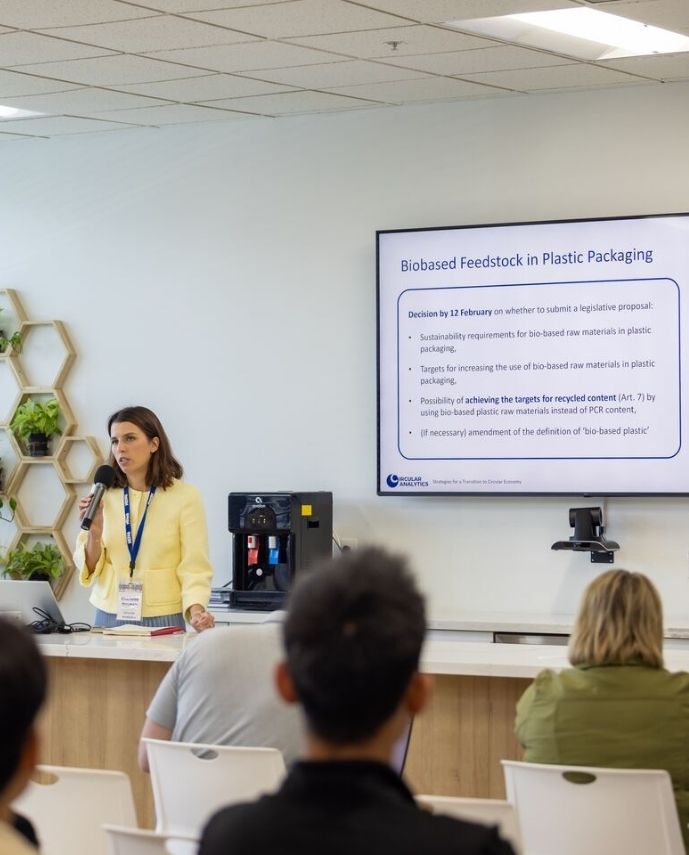
PPWR takes a two-part approach to improving packaging circularity: increasing the reuse of certain packaging formats through mandatory reuse targets and improving the recyclability of packaging placed on the EU market.
Recyclable Packaging
Packaging placed on the EU market will increasingly need to meet defined recyclability requirements. PPWR introduces a phased recyclability framework under which packaging will be assessed against design-for-recycling criteria and assigned recyclability performance grades A, B or C, followed by applicable recycling-at-scale requirements. The applicable requirements and timing depend on the packaging type, material, design, relevant PPWR provisions, and the related delegated and implementing acts. Grades are based on how much of the packaging is recyclable by weight: A ≥95%, B ≥80%, C ≥70%. From 2030, packaging must reach at least Grade C, and packaging below 70% cannot be placed on the market. From 2038, it must reach Grade A or B. The Commission will set the detailed criteria in delegated acts, due by 1 January 2028.
Reusable Packaging
PPWR introduces mandatory reuse targets for specific packaging formats from 2030, subject to applicable exemptions and conditions. For example, at least 40% of specified transport packaging (excluding cardboard, dangerous goods, and certain custom or food-contact packaging) must be reusable within a reuse system, while 10% of specified grouped packaging (excluding cardboard) must be reusable. For transport packaging used between an operator's own sites, or with its linked or partner enterprises, within the same Member State, the target is 100% reusable from 2030. Higher targets are set for 2040, with ambitions to reach 70% for transport packaging and 25% for grouped packaging. The regulation also addresses reuse systems and packaging rotations. The applicable calculation methodology and detailed requirements should be checked against the relevant implementing measures as they become available.
PPWR Recycled Content Requirements
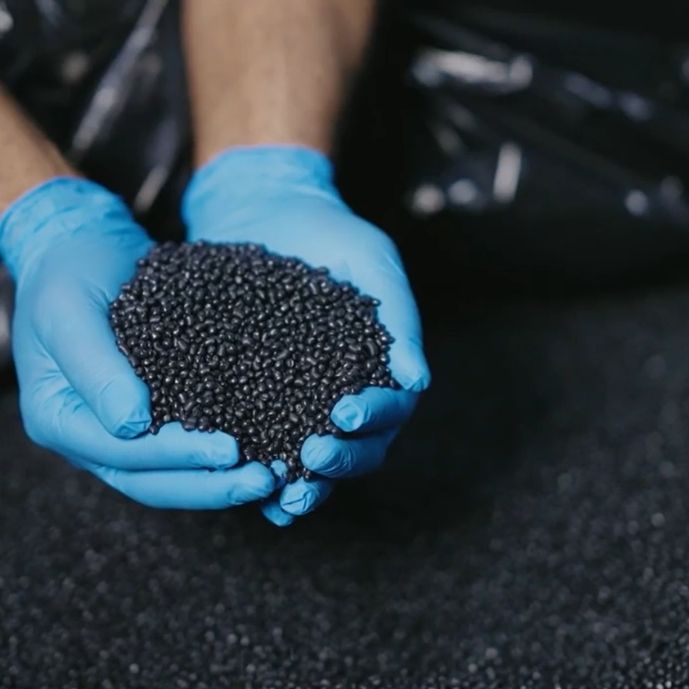
PPWR introduces minimum recycled-content requirements for specified plastic packaging categories.
The requirements vary depending on the type of plastic packaging and increase over time. Different minimum recycled-content levels apply to categories including certain contact-sensitive packaging, single-use plastic beverage bottles and other specified plastic packaging. The requirements apply from 1 January 2030, or three years after the relevant implementing act enters into force, whichever is later.
|
Packaging Type |
2030 |
2040 |
|
Contact sensitive packaging with PET as main component |
30% |
50% |
|
Contact sensitive packaging (except for PET and single-use plastic beverage bottles) |
10% |
25% |
|
Single-use plastic beverage bottles |
30% |
65% |
|
Other plastic packaging |
35% |
65% |
Companies using plastic packaging should identify which packaging formats fall within the applicable categories, document recycled content and evaluate whether packaging materials or designs need to change.

How Does PPWR Affect Industrial and Transport Packaging?
Industrial and transport packaging can be affected by several PPWR requirements, including packaging minimization, empty-space requirements, recyclability and reuse provisions.
For companies using pallets, crates, boxes, trays, containers, wraps or other transport packaging, PPWR can influence packaging design and supply-chain operations.
The regulation also introduces reuse requirements for specified transport packaging. From January 1, 2030, transport packaging used between an economic operator’s own sites or between linked or partner enterprises within the EU must be 100% reusable and part of a reuse system. The same requirement applies to transport packaging used to deliver products to another economic operator within the same Member State, subject to applicable exemptions.
Companies should therefore evaluate not only the packaging itself, but also how packaging moves through the supply chain, whether it can be returned and reused, and how packaging design affects material consumption and transport efficiency.

How Can Companies Prepare for PPWR?
Preparing for PPWR starts with understanding your role in the packaging supply chain and identifying the requirements that apply to your activities.
- Understand your role — Identify your role in the packaging supply chain and the PPWR obligations that apply to your activities.
- Map your packaging — Identify the packaging you use, its materials and components, and where it is placed or made available on the EU market.
- Collect packaging data — Document packaging materials, components, weight, composition, recycled content and other relevant characteristics.
- Review substances and plastic requirements — Assess applicable requirements for substances of concern, recycled content and other material-specific provisions.
- Assess packaging design — Identify opportunities to reduce unnecessary material, volume and empty space, while considering applicable functionality and performance requirements.
- Evaluate recyclability and reuse — Review whether packaging meets applicable recyclability requirements and identify packaging flows where reusable or returnable solutions may be appropriate.
- Build your compliance roadmap — Establish the required documentation, supplier evidence, testing and conformity assessment activities, including the EU Declaration of Conformity where applicable, and prioritize actions based on the relevant PPWR application dates.
Starting early is important because packaging redesign, testing, qualification, supplier changes and implementation can take time, particularly for complex industrial supply chains.
How Nefab Can Help With PPWR
PPWR compliance is not only a regulatory question. It is also a packaging design and supply-chain challenge. Nefab works with companies to optimize packaging based on product protection, material use, logistics, sustainability and lifecycle considerations.
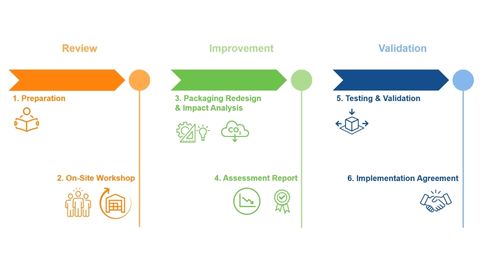
Packaging Assessment
Assess packaging flows and identify opportunities to improve packaging performance, materials, recyclability, end of life, and address potential compliance gaps.
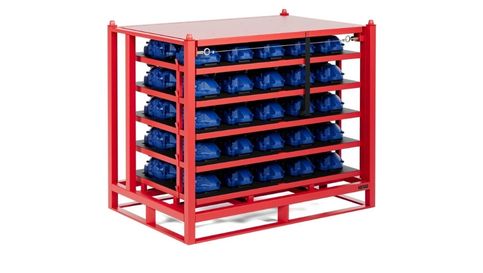
Reusable & Returnable Packaging
Develop reusable and returnable packaging solutions designed for repeated use within supply chains.
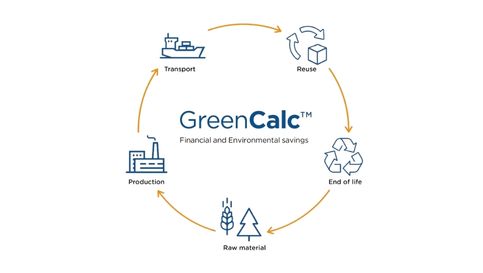
Life Cycle Assessment
Compare packaging alternatives and evaluate their environmental impacts to support data-driven packaging decisions.
PPWR Customer Case

Challenge
Identifying packaging cost-saving and CO2eq reduction opportunities across the packaging portfolio of a leading electric vehicle manufacturer. This customer needed seven packaging applications assessed across the Americas and APAC.

Solution
Nefab conducted a packaging assessment covering seven applications and identified opportunities to reduce cost and CO2eq emissions while supporting regulatory alignment.

Benefits
Through this packaging assessment, Nefab helped this customer to achieve: 1.26 million USD identified annual savings, 214 metric tons of CO2eq reduction, and PPWR alignment.
PPWR FAQ
Does PPWR apply to packaging imported into the EU?
Does PPWR apply to packaging imported into the EU?
Yes. PPWR applies to packaging placed on the EU market, including packaging associated with products imported into the European Union. Importers and other relevant economic operators may therefore have obligations under the regulation.
Is PPWR mandatory in all EU countries?
Is PPWR mandatory in all EU countries?
Yes. PPWR is an EU regulation and is directly applicable in all EU Member States. Businesses that fall within its scope must meet the applicable requirements and obligations according to their role in the packaging supply chain.
What is the difference between PPWR and EPR?
What is the difference between PPWR and EPR?
PPWR is the EU regulation governing packaging and packaging waste. Extended Producer Responsibility (EPR) is a system under which producers are responsible for aspects of their packaging’s end-of-life management, including related costs.
PPWR establishes EU-level requirements, while EPR obligations are implemented through national systems. PPWR also establishes harmonized requirements affecting national EPR systems, including producer registration, reporting and the modulation of financial contributions.
Does PPWR apply to wooden packaging?
Does PPWR apply to wooden packaging?
Yes. Wooden packaging can fall within the scope of PPWR. Although the specific recycled-content requirements in Article 7 concern plastic parts of packaging, wooden packaging can still be affected by requirements concerning packaging minimization, recyclability, reuse, labeling and packaging waste.
Are cardboard boxes subject to PPWR reuse targets?
Are cardboard boxes subject to PPWR reuse targets?
Cardboard boxes are exempt from certain PPWR transport and grouped-packaging reuse targets. However, they remain subject to other applicable PPWR requirements, including packaging minimization and recyclability.
Will packaging need a QR code under PPWR?
Will packaging need a QR code under PPWR?
Certain reusable packaging will require a standardized, open digital data carrier, such as a QR code or equivalent technology, in accordance with the applicable PPWR requirements.
The exact information and implementation requirements depend on the relevant provisions and supporting legislation.
Is Nefab's packaging automatically PPWR compliant?
Is Nefab's packaging automatically PPWR compliant?
No packaging solution should be described as automatically compliant simply because it is supplied by Nefab. PPWR compliance depends on the specific packaging, materials, application, market, economic operator and applicable regulatory requirements.
Nefab can help customers assess and design packaging solutions that address relevant PPWR requirements.
Does PPWR require packaging compliance documentation?
Does PPWR require packaging compliance documentation?
Yes. PPWR requires conformity assessment and technical documentation. Manufacturers must collect the relevant documentation from suppliers and, once conformity has been demonstrated, draw up an EU Declaration of Conformity. Other economic operators also have documentation and verification obligations, depending on their role in the supply chain.
Does PPWR apply to industrial packaging?
Does PPWR apply to industrial packaging?
Yes. Industrial packaging can fall within the scope of PPWR. Businesses using industrial and transport packaging should assess the applicable requirements for packaging minimization, recyclability, reuse, materials, labeling and documentation.
How does PPWR affect packaging design?
How does PPWR affect packaging design?
PPWR requires packaging to be designed so that its weight and volume are reduced to the minimum necessary to ensure its functionality, while taking product protection and other applicable performance criteria into account. Packaging design must also consider recyclability, reuse, recycled content where applicable, material efficiency and end-of-life management.