Persistent Uncertainty Shapes Strategic Planning
The number of supply chain shocks or risks remains high. A recent Maersk study found that more than 78% of supply chain professionals expect geopolitical and trade pressures to affect their operations for the next 12-24 months, reinforcing that volatility is not temporary1 .
With no clear return to stability on the horizon, companies are shifting their focus toward long-term stability rather than short-term solutions.
What this means in practice:
- Planning for multiple disruption scenarios, not a single “most likely” outcome
- Standardizing packaging systems that work across regions and routs

Resilience Takes Priority
For years, supply chains were built around speed. Faster delivery, shorter lead times, broader global reach. In 2026, priorities are changing. Speed still matters, but resilience is taking precedence.
Companies are moving from pure acceleration toward systems designed to absorb shocks and keep moving when conditions change. Transformation and innovation are becoming central to strategic planning, with greater emphasis on preparedness, flexibility, and long-term stability. Progress may look slower on paper, but it is far more sustainable in practice.
As BCG notes2 , many organizations are adopting a “cost of resilience” mindset, treating investments in supply chain flexibility as a competitive advantage, even when it means higher costs or longer lead times.
What this means in practice:
- Accepting longer lead times or higher upfront costs to gain stability and focus on long-term strategy
- Prioritize packaging and logistics choices that limit disruption impact
Cost Pressure Isn’t Easing
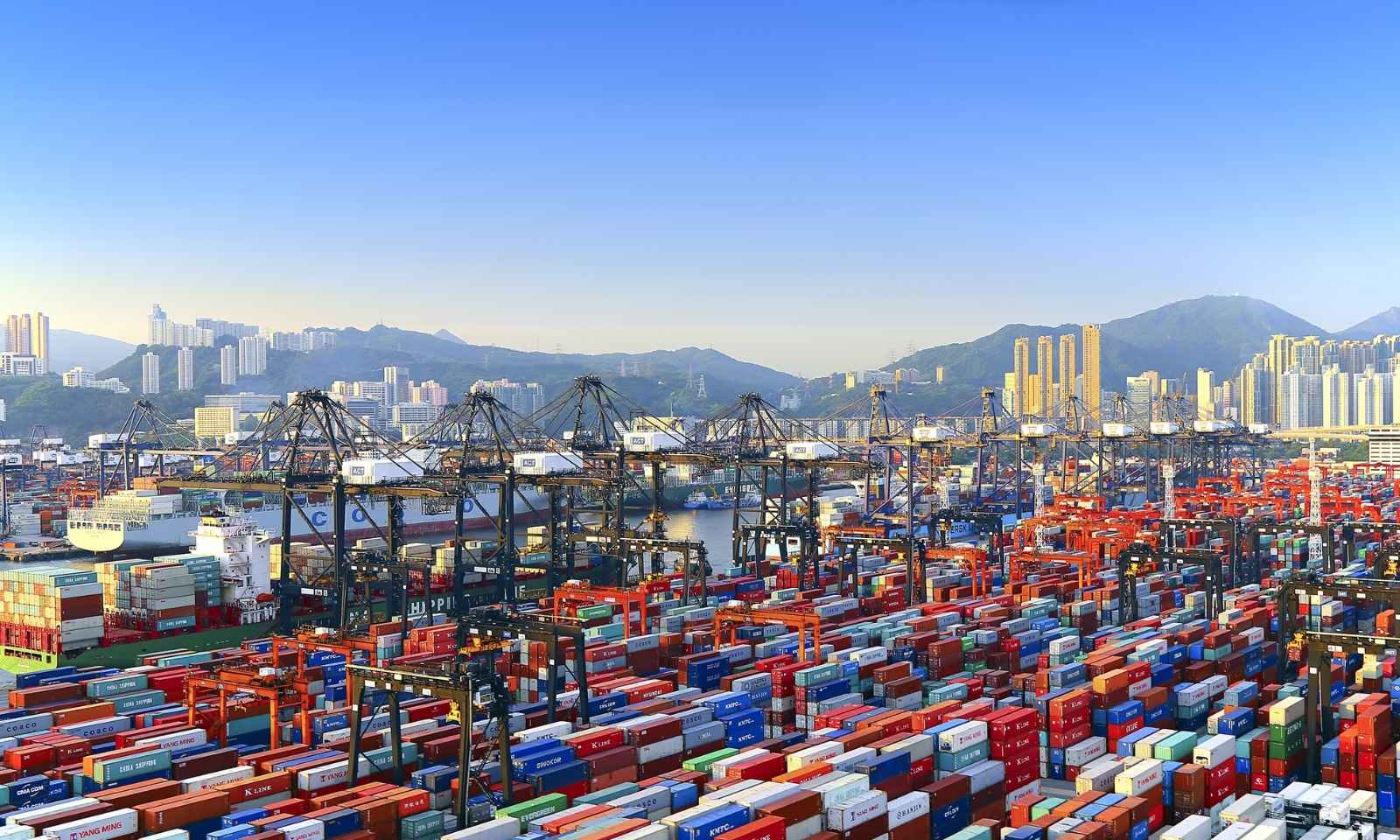
Cost pressure remains a top boardroom concern, and it isn’t easing. Energy, transport, materials, labor, and regulatory compliance continue to weigh on supply chains. In a 2025 manufacturing outlook survey3 , 78% of U.S. manufacturers said trade uncertainty remains a top concern and expect input costs to rise by 5.4%, while freight costs increased 3.5% in 2025 and are expected to keep rising4 .
What this means in practice:
- Evaluating packaging decisions based on total costs, not unit price
- Reducing material and optimizing packaging design to limit cost exposure across transport and storage
- Tapping into reusable systems, where possible, to stabilize costs
Contextual Data Takes the Lead
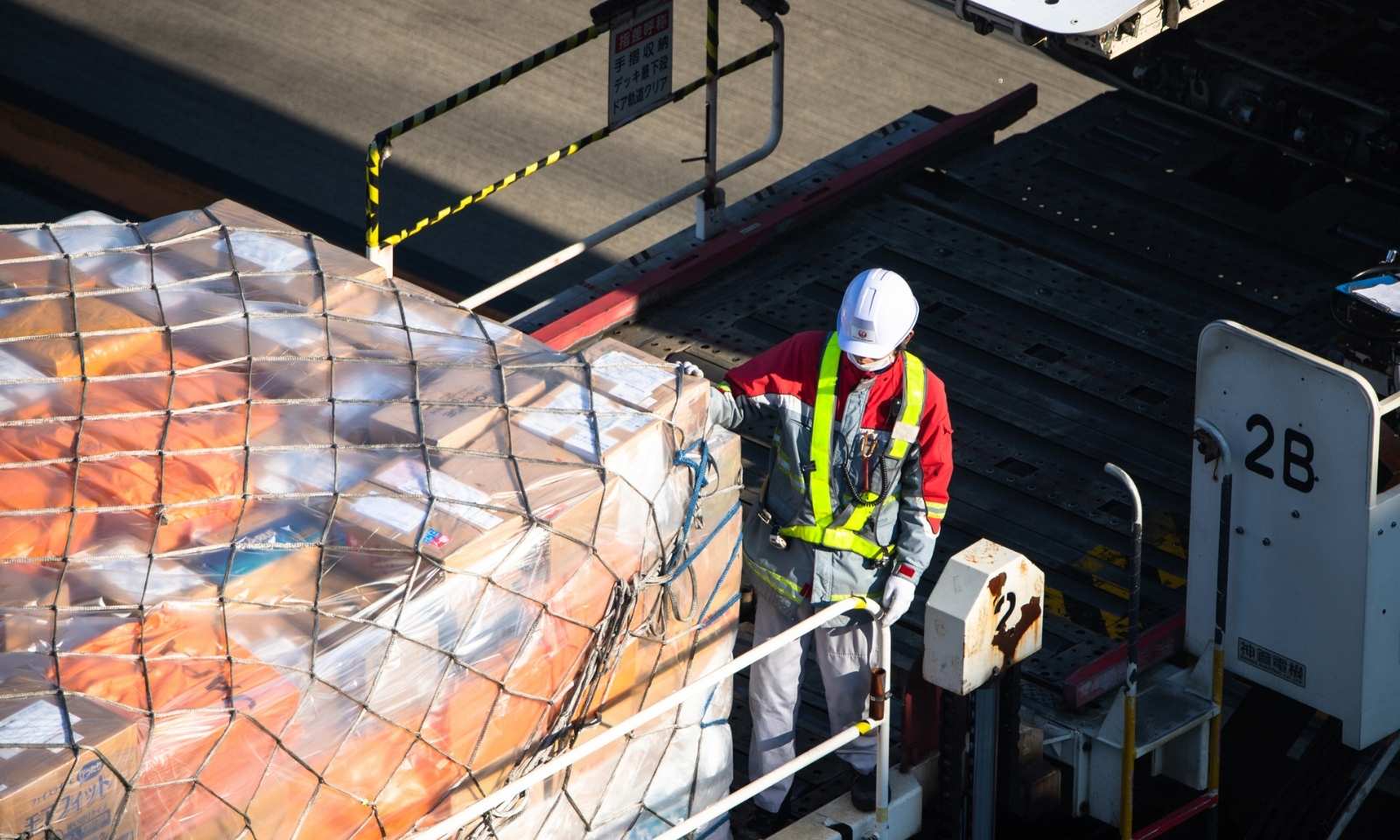
Packaging is no longer just about protection. In 2026, it is increasingly expected to support flexibility by providing decision-ready data. Smart and connected packaging can deliver insights on condition, location, and handling, with information framed around alerts and decisions rather than dashboards.
This shift is reflected in market data: the global smart packaging market is projected to exceed USD 34 billion by 20265 , highlighting packaging’s growing role as a source of supply chain intelligence rather than a passive component.
What this means in practice:
- Aligning smart packaging data with logistics and inventory planning
- Using data to prevent issues (proactive warning alerts), not explain them after the fact
Regulation and Reporting Shaping Packaging Decisions
Regulatory frameworks like Extended Producer Responsibility (EPR), Digital Product Passports, and stricter recyclability requirements are increasingly shaping packaging design and documentation globally.
In 2026, companies must plan for mandatory reporting, stronger traceability requirements, and packaging designs driven by regulation rather than preference, while aligning across multiple jurisdictions and standards.
What this means in practice:
- Choosing packaging solutions that are inherently regulatory compliant
- Preparing for increased documentation and traceability across markets

Looking ahead
The trends shaping 2026 point in one direction: supply chains and packaging must be agile and designed for pressure. The question is no longer what might go wrong, but whether your systems are ready when it does. Now is the time to reassess where risk sits in your supply chain, and the role that packaging plays in managing it.
We save resources in supply chains for a better tomorrow.
Want to learn more?
GET IN TOUCH
Contact us to learn more about our smart and sustainable solutions.
LEARN MORE
Sustainable Solutions
Engineered packaging for sustainable supply chains
GreenCalc
Nefab’s own certified calculator measures and quantifies financial and environmental savings in our solutions