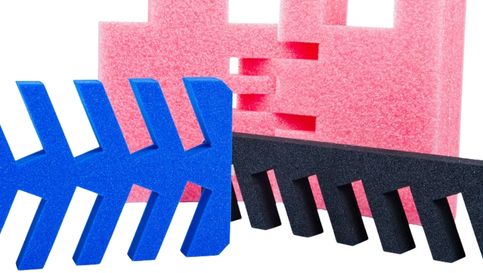
Reflex™ cushioning: A sustainable alternative to foam

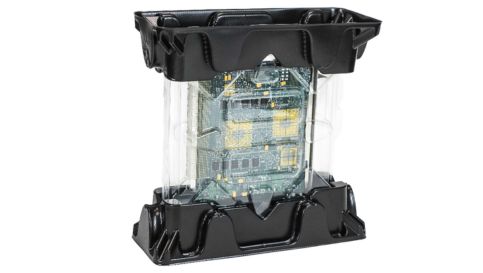
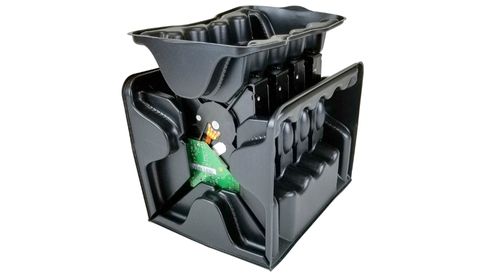
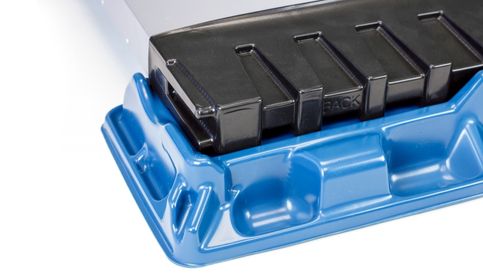
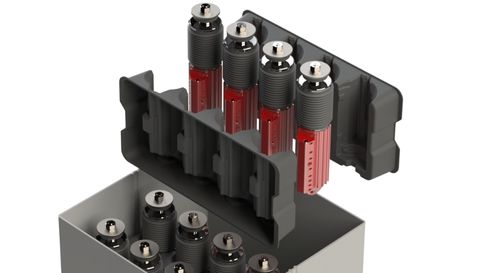
Engineered protective cushioning with superior shock absorption, thermoformed from 100% recycled HDPE as standard. Scalable to support higher-volume shipments of fragile products, reducing costs, CO₂, and plastic waste.

Card icon

Reliable, engineered, & shock-absorbing

Engineered for precise G-force performance and tested in ISTA-certified labs, with ASTM/NEBS testing available. Optimized designs in 100% recycled HDPE use significantly less material than PE, EPE, or EPP foam, while enduring repeated drops and reuse.

Card icon

Nestable & scalable

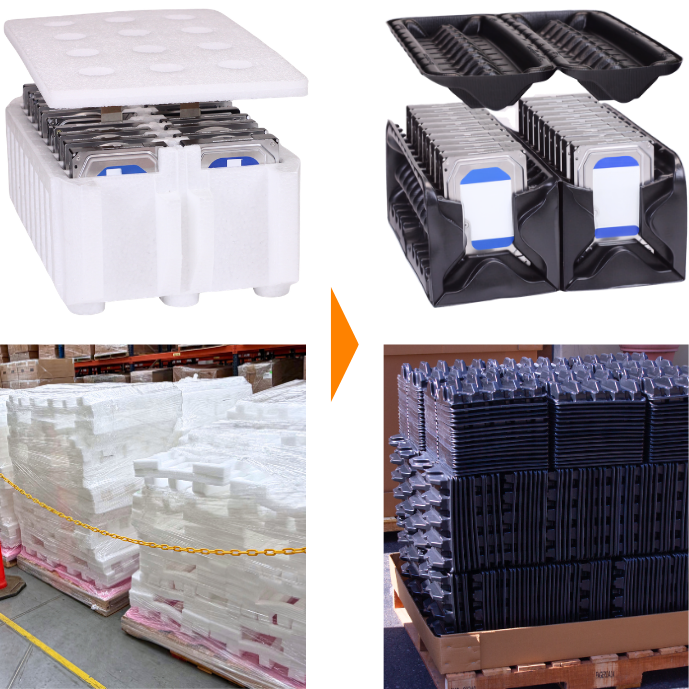
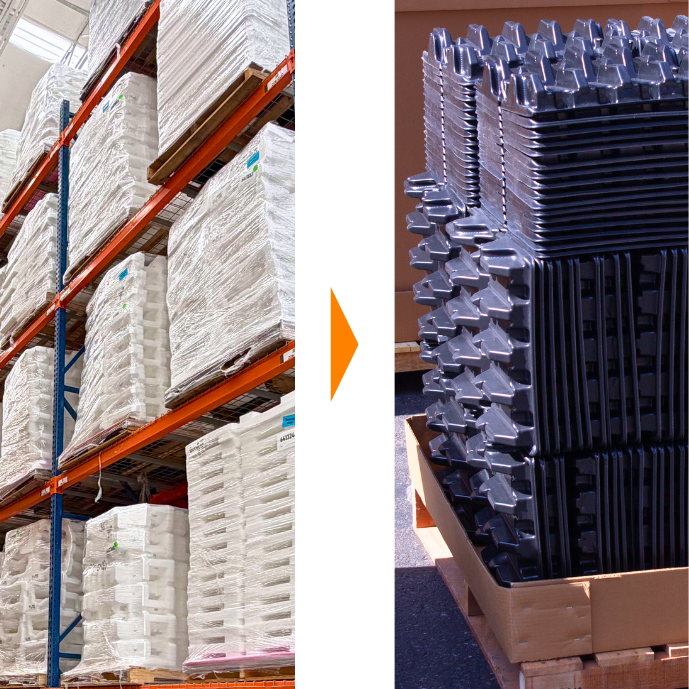
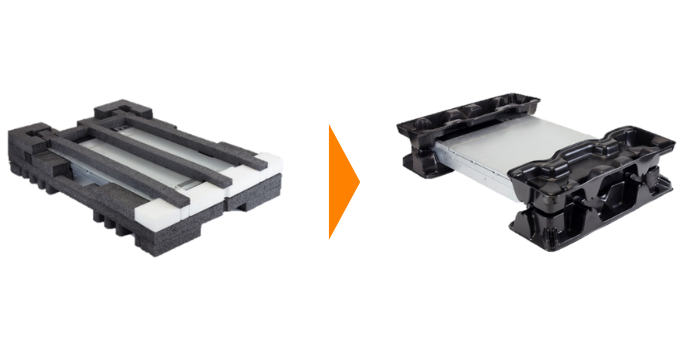
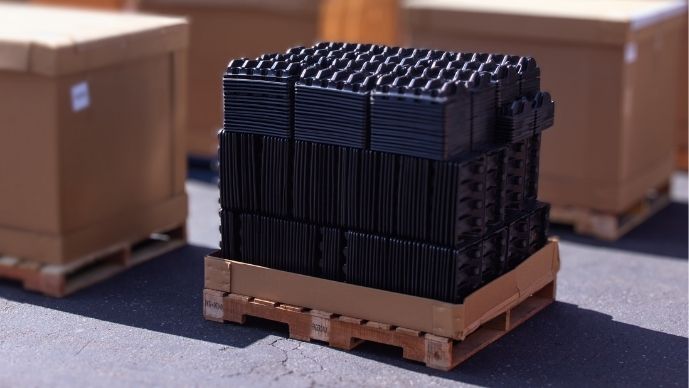
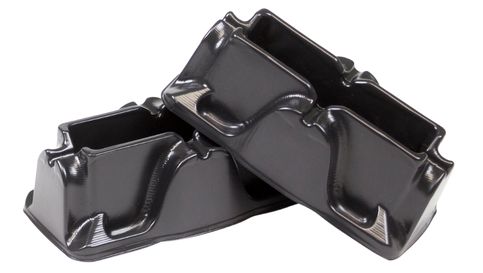
Highly nestable cushions stack tightly when not in use, reducing shipping, storage, and handling space by up to 85% compared to foam. Additionally, thermoforming enables economies of scale through higher-volume production.

Card icon

Recycled & reusable

Reflex™ cushioning uses 100% recycled HDPE as the worldwide standard, turning plastic waste into protective packaging. With their nesting design and durable build, the cushions support repeated use in circular systems.

Main image

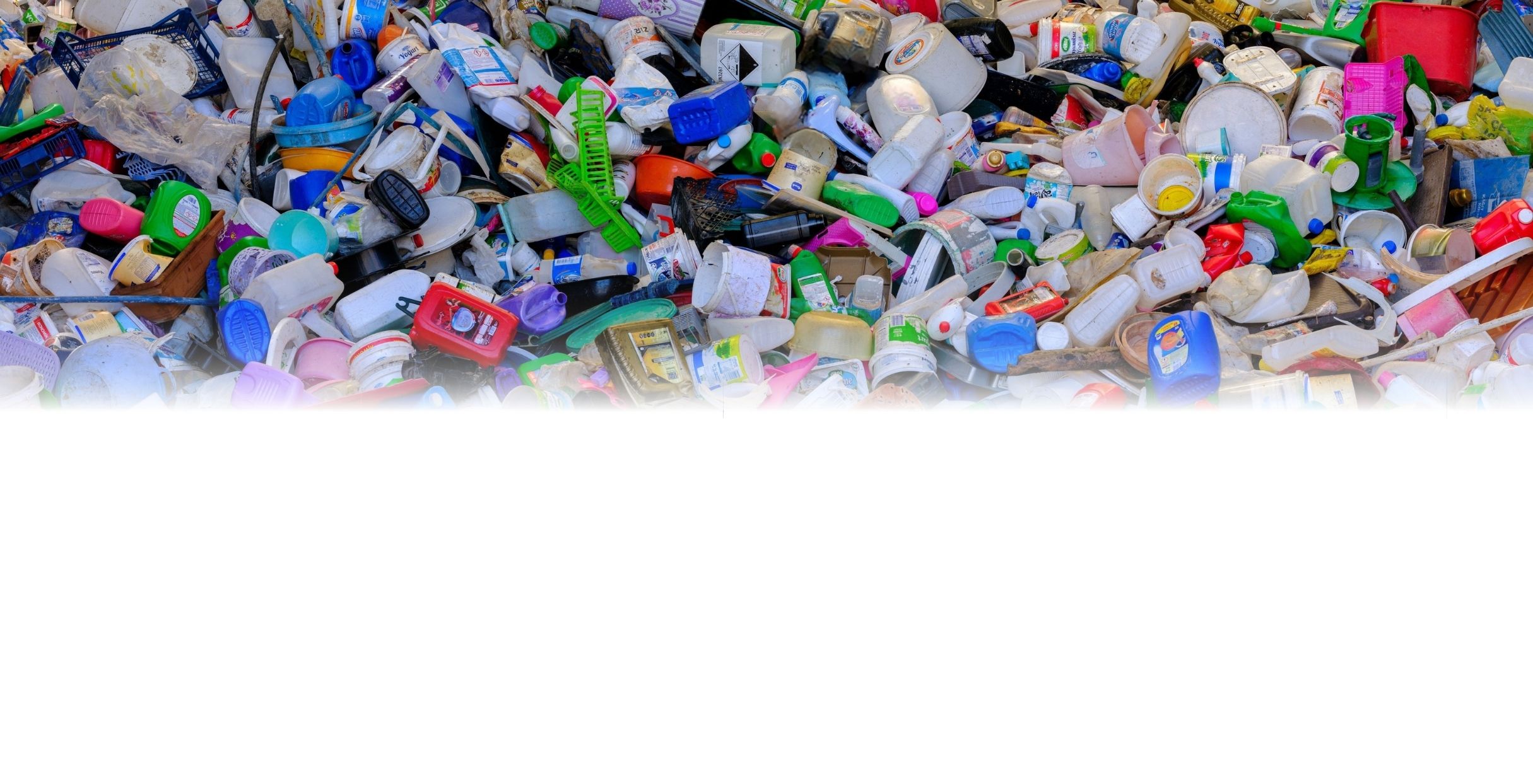
Engineered protection, reclaimed from waste

We turn plastic waste into nestable, protective packaging that is optimized for your needs. 100% recycled HDPE as standard.

Replacing foam: Applications of Reflex™ cushioning

Card image

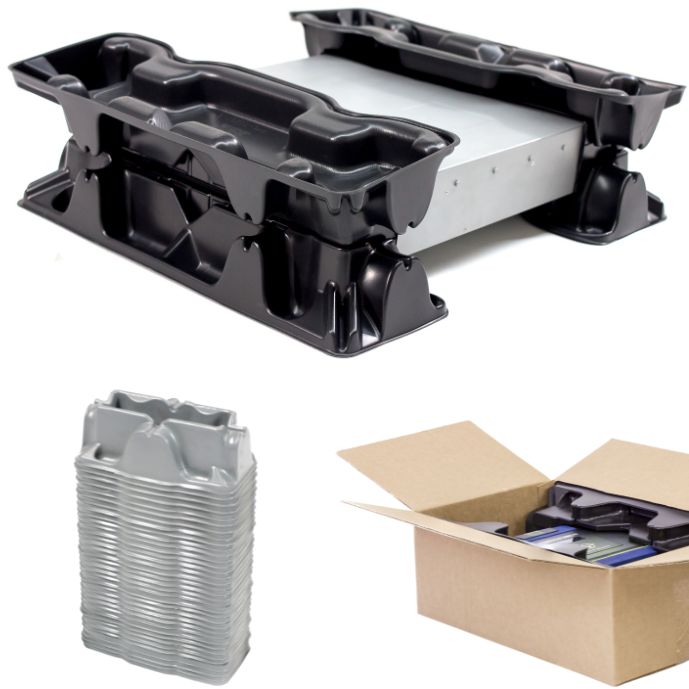
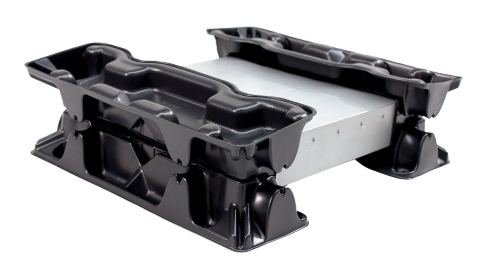
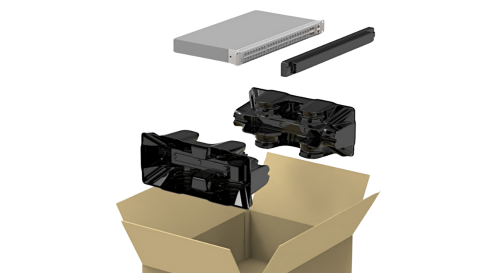
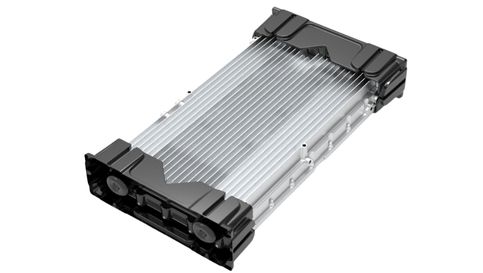
Cushioning for 2U rack mount servers

Card image

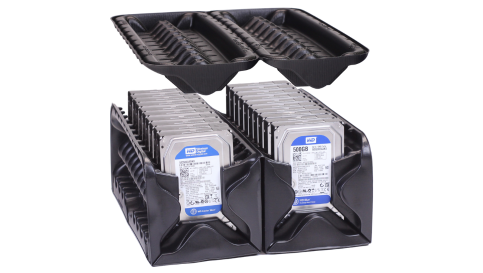
Cushioning for hard disc drives

Card image

Cushioning for line cards

Card image

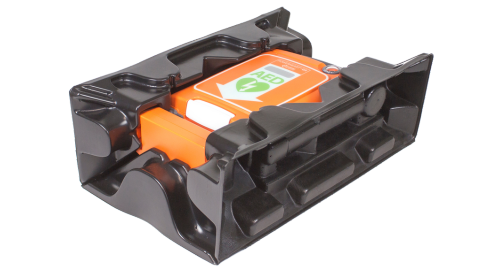
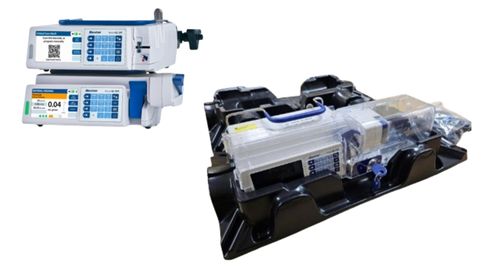
Cushioning for AEDs

Card image

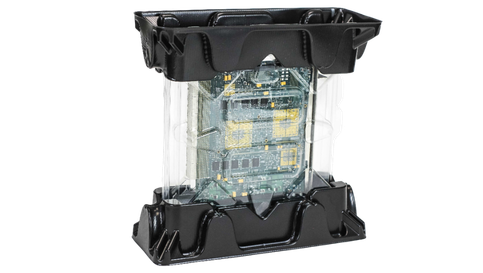
Cushioning for circuit boards

Card image

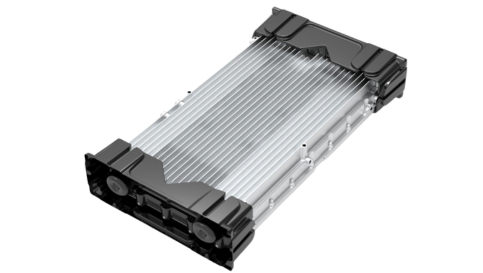
Cushioning for 4G/5G remote radio heads

Benefits of Reflex™ cushioning

Card image

Replace virgin plastic with up to 100% recycled HDPE

All Nefab facilities worldwide now produce Reflex™ cushioning using 100% recycled HDPE as standard, unless otherwise specified by the customer. We work closely with raw material suppliers to ensure this supply of rHDPE. For transparency, the percentage of recycled HDPE is embossed on every part.

Card image

Increase post-consumer recycled content (PCR)

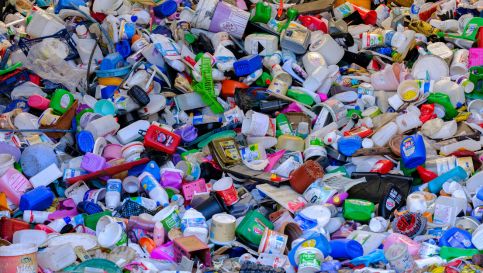
rHDPE can be made from post-consumer waste, such as milk jugs, detergent bottles, and shampoo bottles, as well as post-industrial waste such as scrap and manufacturing offcuts. We continue to collaborate with raw material suppliers to increase levels of PCR (post-consumer recycled) content.

Card image

Recycle easily to reduce landfill waste

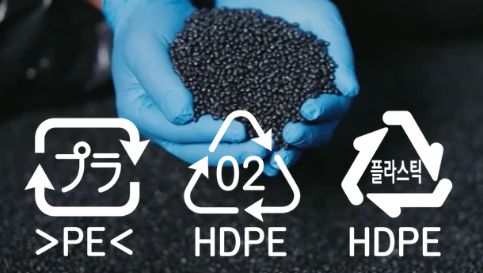
HDPE is the second most recycled plastic in the world after PET. It can be recycled up to 50 times more than fiber/paper-based solutions. Unlike foam cushions that commonly end up in landfills, rHDPE is considered curbside recyclable and can usually be recycled in local municipal recycling streams. On all Reflex™ molds and cushions, the required local recycling symbols for rHDPE material are displayed to communicate recyclability.

Card image

Recycling programs

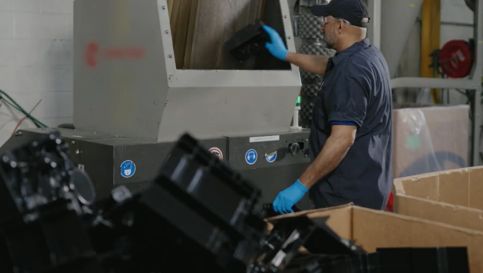
At the end of the packaging lifecycle, where possible, Nefab offers take-back programs for used Reflex™ cushioning. Once the cushioning has fulfilled its purpose, Nefab can collect and recycle the material for use as raw material in new recycled thermoformed packaging.

Card image

Reduce material use with engineered designs

Reflex™ cushioning significantly reduces the use of virgin plastic compared with traditional foam cushioning. Its advanced thermoformed design requires less material overall than equivalent foam applications.

Card image

Reuse to extend the lifecycle

Reflex™ cushioning is designed for reusability, thanks to the durable properties of rHDPE, long-lasting cushioning performance, and engineered geometries that enable a nestable structure. Reusing the cushions can significantly reduce total cost of ownership and environmental impact over multiple cycles. Unlike foam, which can occupy up to 10 times more space, Reflex™ cushioning can be collected, returned, and reused more efficiently in circular systems.


Variations of Reflex™ cushioning

Card image

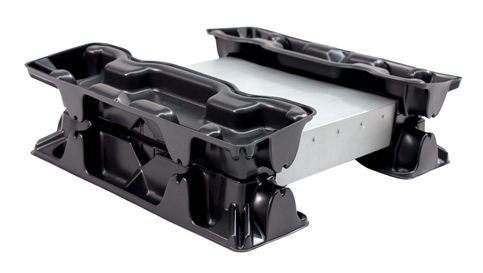
2-piece endcap cushions

Card image

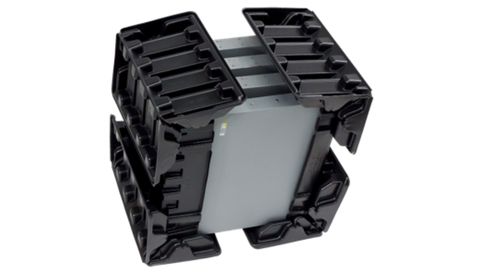
4-piece edge rail cushions

Card image

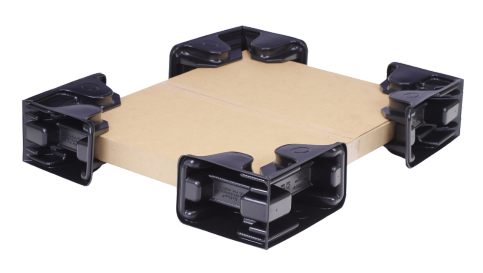
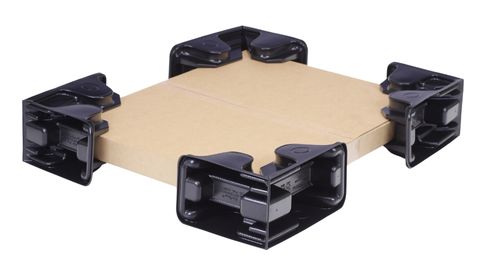
Folding corner cushions

Card image

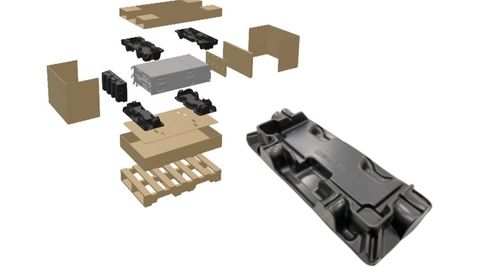
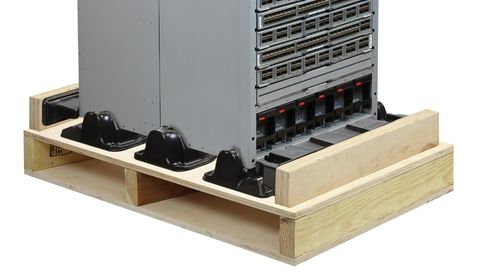
Pallet cushions

Card image

Multi-pack cushions

Card image

Cushion with clamshell

Card image

2-piece tray cushions

Card image

Modular cushion systems

Card image

ESD cushions

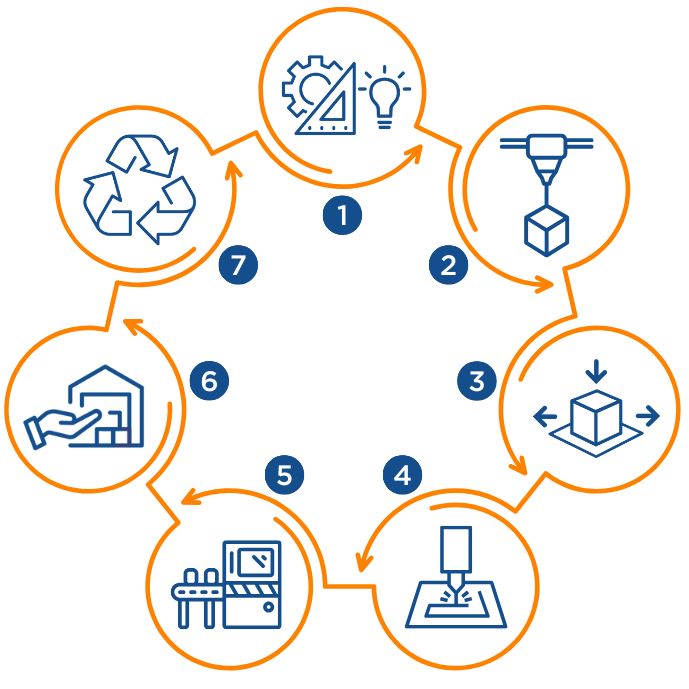
How does it work?

Benefits of Nefab packaging solutions

Nefab saves environmental and financial resources by optimizing supply chains. We do so by innovating together with our customers to create smarter packaging and logistics solutions while always respecting people and ethical standards.

Card icon

Complete solutions

We provide complete packaging and logistics solutions that reduce total cost and environmental impact throughout the supply chain.

Card icon

Engineering expertise

With over 250 engineers in 30 locations globally, we collaborate closely with customers to design, prototype, test, and deliver tailored packaging solutions.

Card icon

Sustainability focus

Nefab's solutions reduce carbon footprints by 31%, on average, reflecting our commitment to sustainability within our operations and offerings.

Card icon

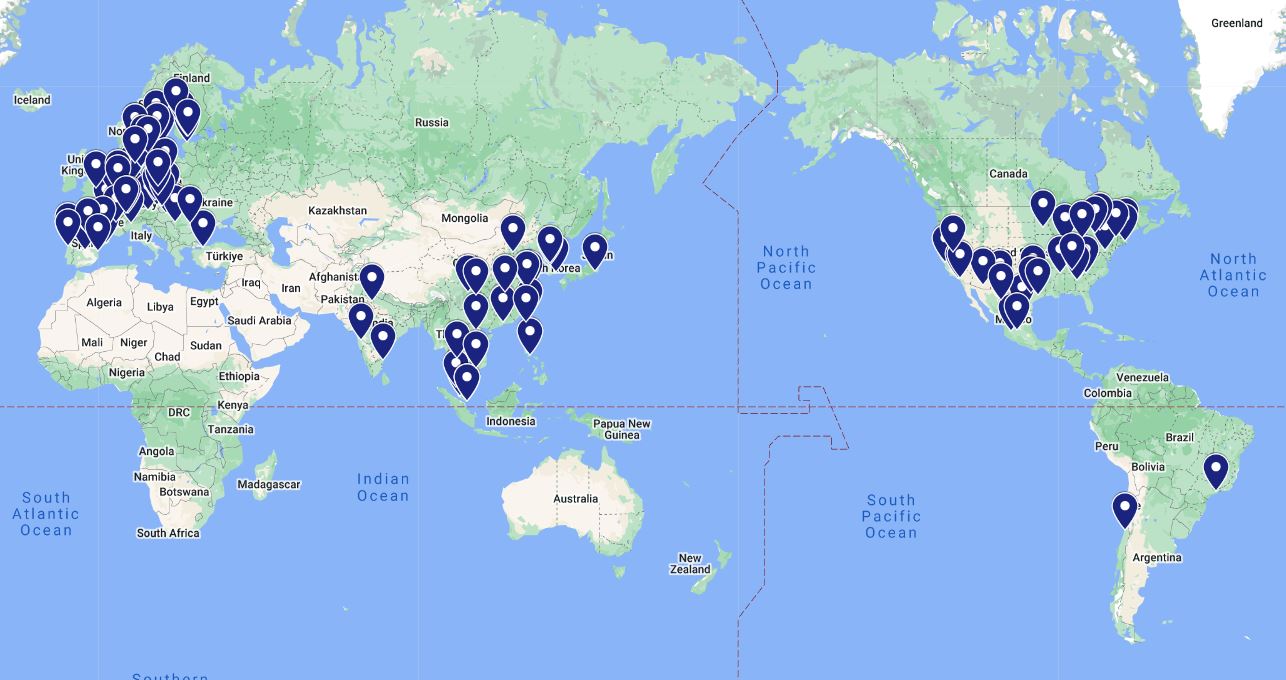
Global footprint

With 75 years of experience and a presence in over 38 countries, we deliver global solutions with local support.

Get in touch

Related products

Card image

Inserts and inner fittings

Custom inserts and inner fittings for product securement

Card image

Foam cushioning

Traditional moisture-resistant cushioning solution

Card image

FiberFlute™ cushioning

Paper-based and recyclable alternative to foam

Frequently asked questions about Reflex™ cushioning

What is Reflex™ cushioning made of?

Reflex™ cushioning is thermoformed from 100% recycled high-density polyethylene (rHDPE) as standard, turning plastic waste – such as post-consumer milk jugs and post-industrial scrap – into engineered protective packaging. The percentage of recycled content is embossed directly on every part for full transparency.

Is Reflex™ cushioning a good alternative to foam packaging?

Yes. Reflex™ cushioning is engineered as a sustainable alternative to PE, EPE, and EPP foam, using significantly less material while delivering the same or better shock absorption. Each solution is custom-engineered to precise G-force requirements and tested in ISTA-certified labs. Compared to plastic foam cushioning – such as PE, EPE, and EPP – Reflex™ cushioning offers:

  • A nestable shape that saves space: Unlike bulky foam blocks, Reflex™ cushions stack tightly when not in use, reducing shipping, storage, and handling space by up to 85% compared to foam. This substantial reduction in volume lowers transport, storage, and handling costs, and cuts transport-related CO2-eq emissions.
  • 100% recycled HDPE with curbside recyclability: Options for increased post-consumer recycled content support PPWR compliance for shipments into the EU, while curbside recyclability reduces landfill waste compared to foam, which is often discarded.
  • Efficient production at scale: Thermoforming is an efficient manufacturing process across both low and high minimum order quantities (MOQs), giving customers flexibility regardless of order size.

For a paper-based alternative, see FiberFlute™ cushioning ; for traditional foam, see Foam cushioning .

What is thermoforming, and why does Nefab use it for Reflex™ cushioning?

Thermoforming, or vacuum forming, is a manufacturing process in which a plastic sheet is heated until pliable, formed over a mold to create a precise, product-specific shape, then cooled and trimmed into a finished part. Nefab uses this process for Reflex™ cushioning because, compared to foam manufacturing, thermoforming is a cost-effective and efficient process across low to high production volumes. It offers competitive tooling costs and lead times, benefiting from economies of scale as order size grows. The process also supports up to 100% recycled HDPE content, resulting in a durable, non-particulating cushioning solution that's fully recyclable at end of life. Learn more about Nefab's thermoforming process and capabilities.

What product weight range is Reflex™ cushioning designed for?

Reflex™ cushioning is engineered for high-value, shock-sensitive products that typically weigh between 0.5 kg and 50 kg (110 lbs.), making it well suited to applications across data infrastructure, semiconductor, healthcare, and energy equipment.


Is Reflex™ cushioning suitable for high-volume cushioning packaging programs?

Yes, Reflex™ cushioning is particularly well suited to high-volume cushioning packaging programs, combining several compounding advantages:

  • Economies of scale in thermoformed production, which lowers per-unit costs as shipment volumes increase.
  • A nestable design that stacks tightly when not in use, reducing shipping, storage, and handling space – cutting transport-related CO₂ emissions across inbound and return logistics.
  • Consistent, repeatable manufacturing quality, ensuring reliable protection across large production runs.

While thermoforming remains efficient across both low and high MOQs, the combined benefits of nesting and scale make Reflex™ especially valuable for high-volume shipping programs – historically one of the two key deciding factors, alongside product weight, when selecting a plastic foam cushioning solution.

How does Reflex™ cushioning compare to fiber-based cushioning?

Compared to fiber-based cushioning solutions like FiberFlute™  or molded pulp, Reflex™ HDPE cushioning offers several key advantages:

  • Durability and moisture resistance: rHDPE withstands humid environments and supports repeated reuse in closed-loop systems, whereas fiber-based solutions are generally best suited to one-way shipments.
  • Advanced protection: Reflex™ cushioning is suitable for scratch-sensitive surfaces and cleanroom environments, with options for electrostatic discharge (ESD) protection.
  • Efficiency at scale: Thermoforming is efficient across both low and high MOQs, and custom shapes with limited touchpoints help reduce handling labor.

Fiber-based cushioning, such as FiberFlute™, remains a strong renewable and biodegradable choice – particularly for low-to-medium volume or single-use shipments. Reflex™ is typically the better fit when durability, reuse, or cleanroom performance are priorities.

Can Reflex™ HDPE cushions be recycled?

Yes. HDPE is the second most recycled plastic in the world (after PET) and is considered curbside recyclable in most municipal recycling streams worldwide. Required recycling symbols are displayed on every Reflex™ mold and cushion. At end of life, Nefab also offers take-back programs to collect and recycle used cushions into new packaging.

Is Reflex™ cushioning suitable for cleanroom or data center environments?

Yes. Unlike some foam and fiber-based solutions, thermoformed Reflex™ cushions are non-particulating, making them well suited to cleanrooms, data centers, and other environments with strict contamination requirements.

Which industries use Reflex™ cushioning?

Reflex™ cushioning is used across industries including healthcare, data infrastructure, semiconductor, and energy equipment, wherever high-value, shock-sensitive products need reliable, space-efficient protection.

How much storage and shipping space can Reflex™ cushioning save?

Because Reflex™ cushions are highly nestable, they can stack tightly when not in use, reducing shipping, storage, and handling space by up to 85% compared to foam – lowering both transport costs and CO₂ emissions across inbound and return logistics.

How is Reflex™ cushioning tested and validated?

Every Reflex™ solution is engineered to meet precise G-force performance requirements and validated in ISTA-certified labs, with ASTM/NEBS testing available on request. This is backed by more than 20 years of Nefab expertise in engineering design, material extrusion, and thermoforming.

What material options are available for Reflex™ cushioning?

Reflex™ cushioning is highly configurable to match your product, brand, and sustainability requirements:

  • Color: Available in virtually any Pantone color – including black, a common choice for industrial and electronics applications – as well as a natural, no-color option. Colored variants are formulated above an L-40 lightness value, ensuring near-infrared (NIR) optical sensors at material recovery facilities (MRFs) can correctly identify and sort the material for automated recycling.
  • Recycled content: Produced anywhere from virgin HDPE up to 100% recycled HDPE, depending on performance, budget, and sustainability goals. 100% recycled HDPE is offered as the global standard unless otherwise specified.
  • Anti-static protection: Available with anti-static additives for electrostatic discharge (ESD) protection – an important option for datacom, semiconductor, and telecom applications protecting sensitive electronic components.

Can Reflex™ cushioning be customized with logos or brand elements?

Yes. Reflex™ cushions can be embossed with brand logos, symbols, or program identifiers directly onto the part – communicating sustainability initiatives or brand identity at the point of use.