Metso Corp. and Nefab collaborate globally to lower carbon footprint and total cost across the supply chain.
Climate change is one of the most pressing issues of our time. Clear scientific evidence and a plethora of alarming trends indicate that it is accelerating beyond expectations and posing a threat to global supply chains. Scientists predict that such climate-related disruptions will only worsen in the coming years as the world warms. There is a clear business case for companies to act now – with a clear vision of our sustainable future in mind. Businesses must prioritize sustainability as a strategic imperative, taking into consideration the environment, safety, and well-being of people and the planet.
Metso Corp. has developed a more comprehensive sustainability strategy, committing to limiting global warming to 1.5 degrees Celsius and aiming for net zero emissions in its own operations by 2030. The company supports its suppliers to determine the carbon footprint of their own operations, suppliers, and products as part of the 1.5-degree journey. Metso Corp. asks for continuous environmental improvement, such as the development of a CO2 emission reduction plan and the setting of their own CO2 reduction targets, specifically, encouraging commitment to the Science-Based Targets initiative (SBTi). This is also one of Metso Corp.’s official sustainability targets: to have 30% of suppliers by spend to have committed to SBTi by 2030.
Metso Corp. appreciates Nefab's ability to collaborate on assessing the impact and implementing supply chain solutions that are optimized in terms of total cost and environmental impact. Nefab is committed to developing innovative new ways to offer sustainable packaging and logistics solutions in collaboration with customers, while always respecting people and ethical standards. Solutions by Nefab add value to customers, society, and the environment by producing sustainable packaging materials, focusing on engineered packaging solutions, and implementing smart logistic flows that save money and resources in supply chains. By 2030, Nefab plans on saving 10 million tons CO2 emissions in customer supply chains.
Strong emphasis on sustainability and related ambitious goals is what makes Metso Corp. and Nefab ideal partners.
Key Highlights
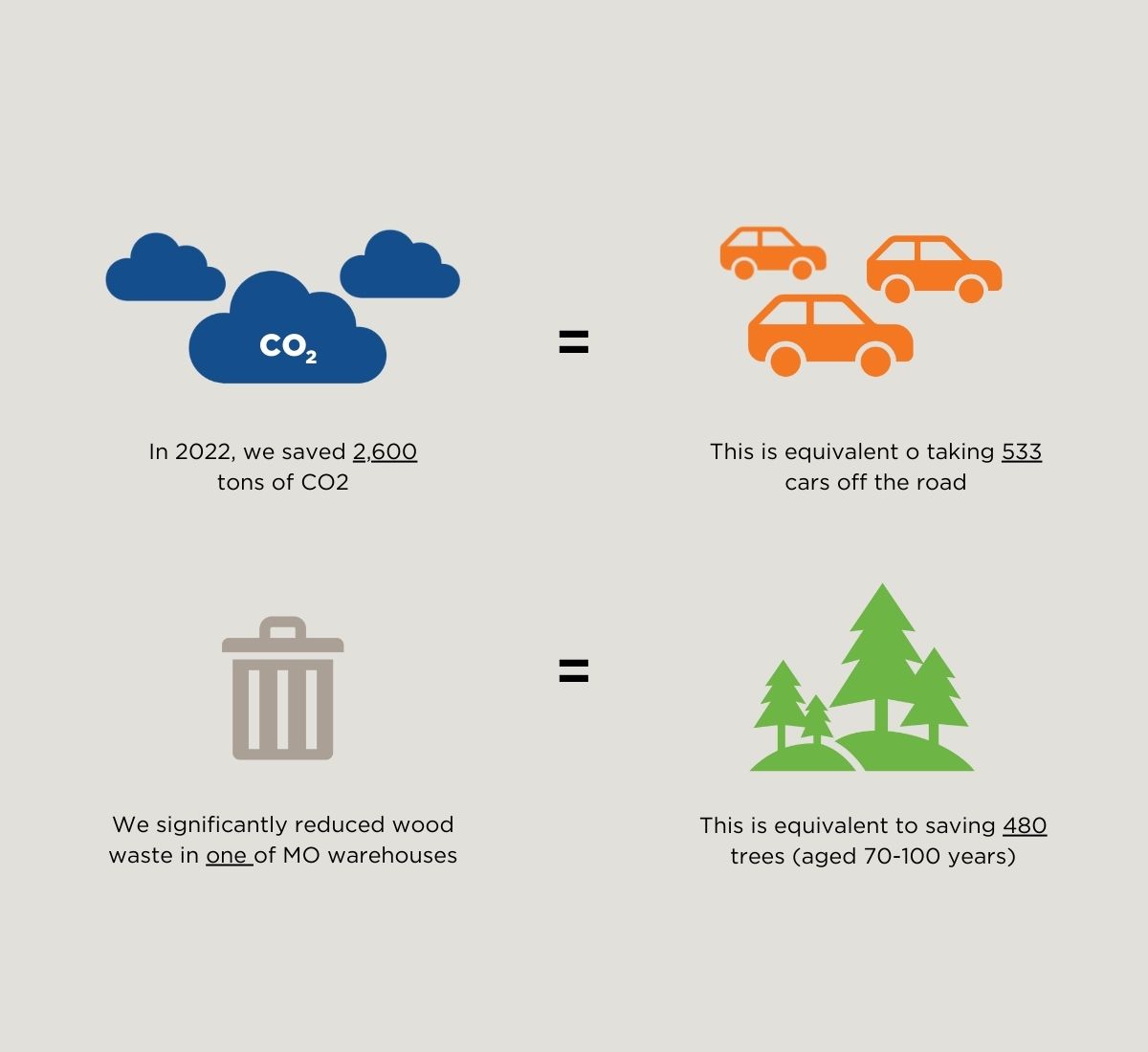
- The collaboration of Metso Corp. and Nefab has resulted in a 2,600 tons reduction in carbon footprint per year
- Metso Corp. is providing high-level services to customers as a result of close coordination, better planning, and increased operational efficiency
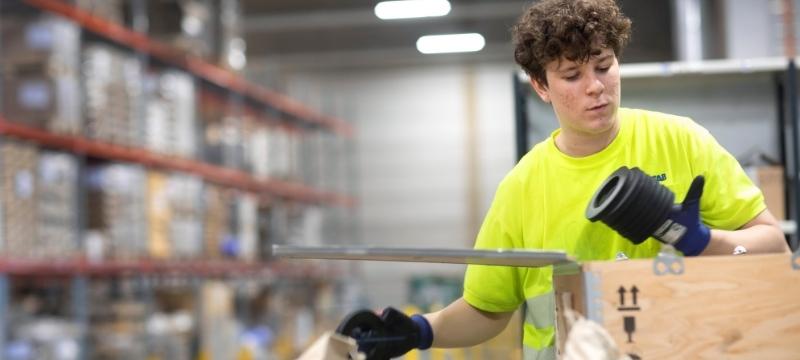
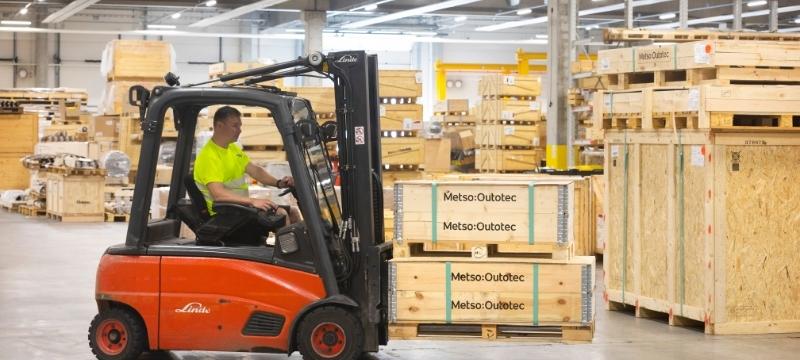
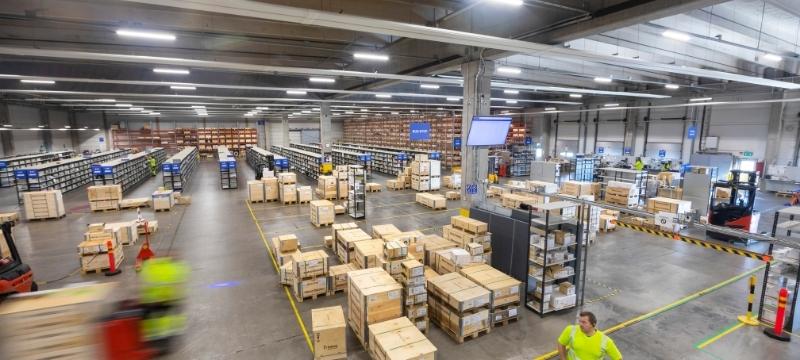
- Increased energy efficiency in warehouse operations through the use of energy-efficient forklifts, improved flooring, and LED indoor lighting while also enhancing the safety of workers.
Innovative partnership to accelerate sustainability in supply chain
The global collaboration between Metso Corp. and Nefab began in 2012, and it is a growing partnership with both companies dedicated to working towards a more sustainable future. Metso Corp.'s aim, in collaboration with Nefab, is to provide the industry's best supply chain for customers and partners.
Today, the partnership between Metso Corp. and Nefab spans sixteen countries in APAC, the Americas, and EMEA, and is growing.
Implementing optimized supply chain solutions
Transportation is one of the largest contributors accounting for 23% of global CO2 emissions. Metso Corp. and Nefab partnered to develop a range of standard packaging and design innovative, lightweight, compact, and stackable packaging solutions that reduce CO2 emissions and freight costs.
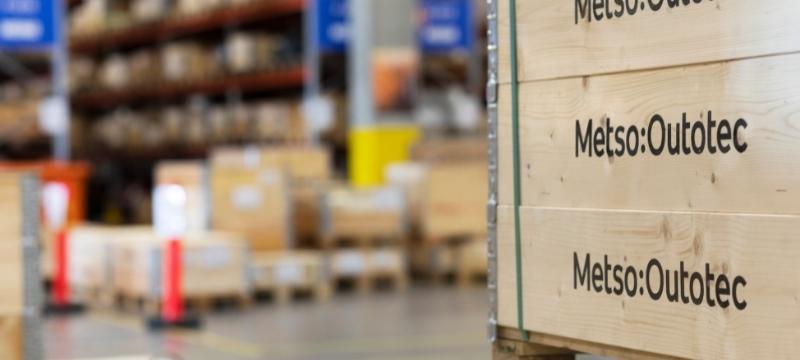
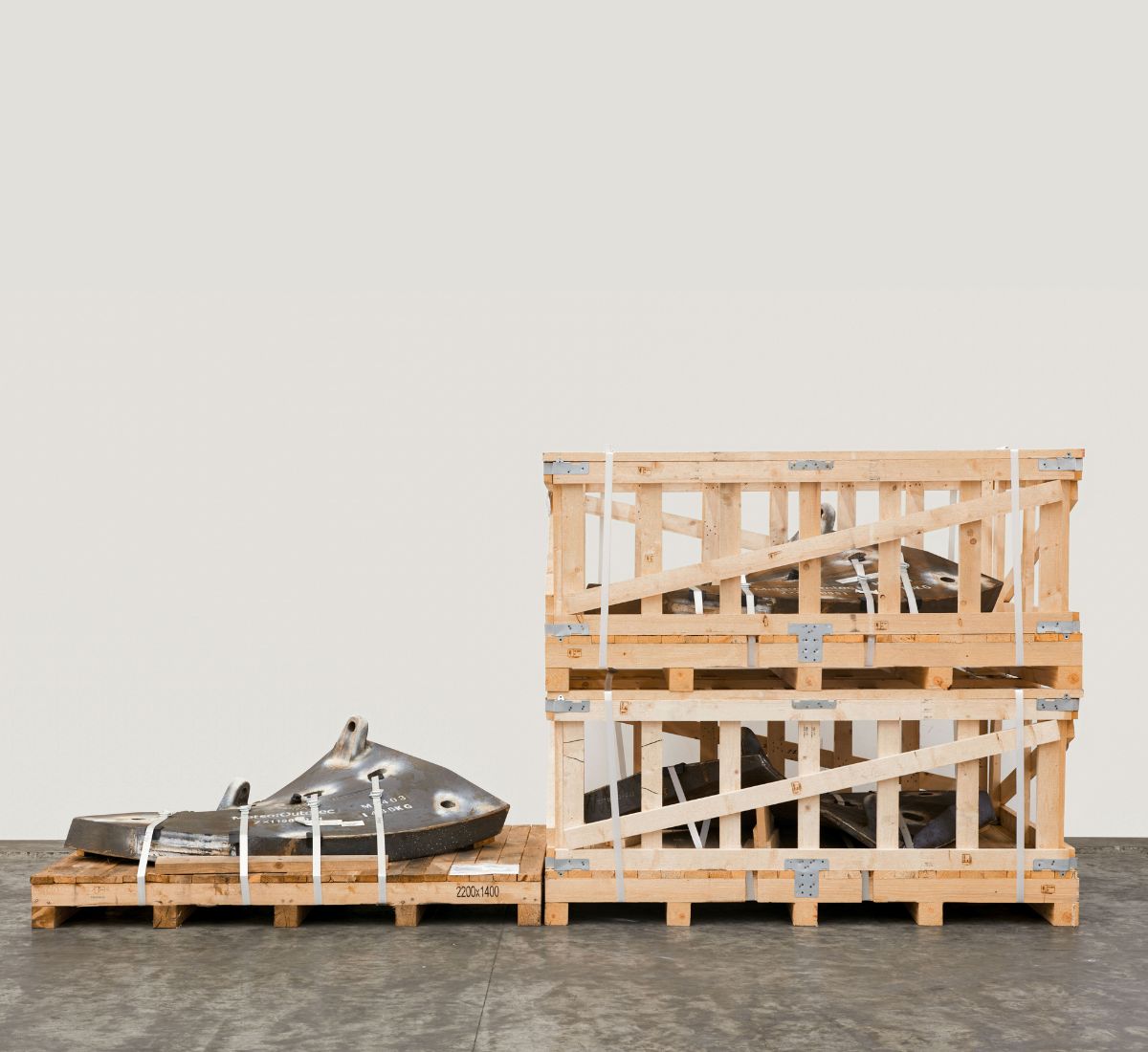
A few examples that best demonstrate the impact is that by simply reducing the pallet weight, air transportation is optimized significantly. Another illustration is the use of special heavy-duty CratePak boxes. Large components can now be transported by Metso Corp. stacked in two layers inside sea containers, resulting in 100% tonnage utilization. Previously, these products were supplied in a single layer on a pallet. Overall, these highly engineered packaging redesign projects have already reduced CO2 emissions by 2,500 tons, equivalent to removing 531 cars from the road each year, while simultaneously lowering freight costs. This improvement journey is still ongoing.