Image principale

Information on the recycling of packaging materials

This page provides practical guidance on how to recycle common packaging materials. It explains key disposal considerations and how Nefab packaging supports circularity and PPWR-aligned design.

Image de la carte

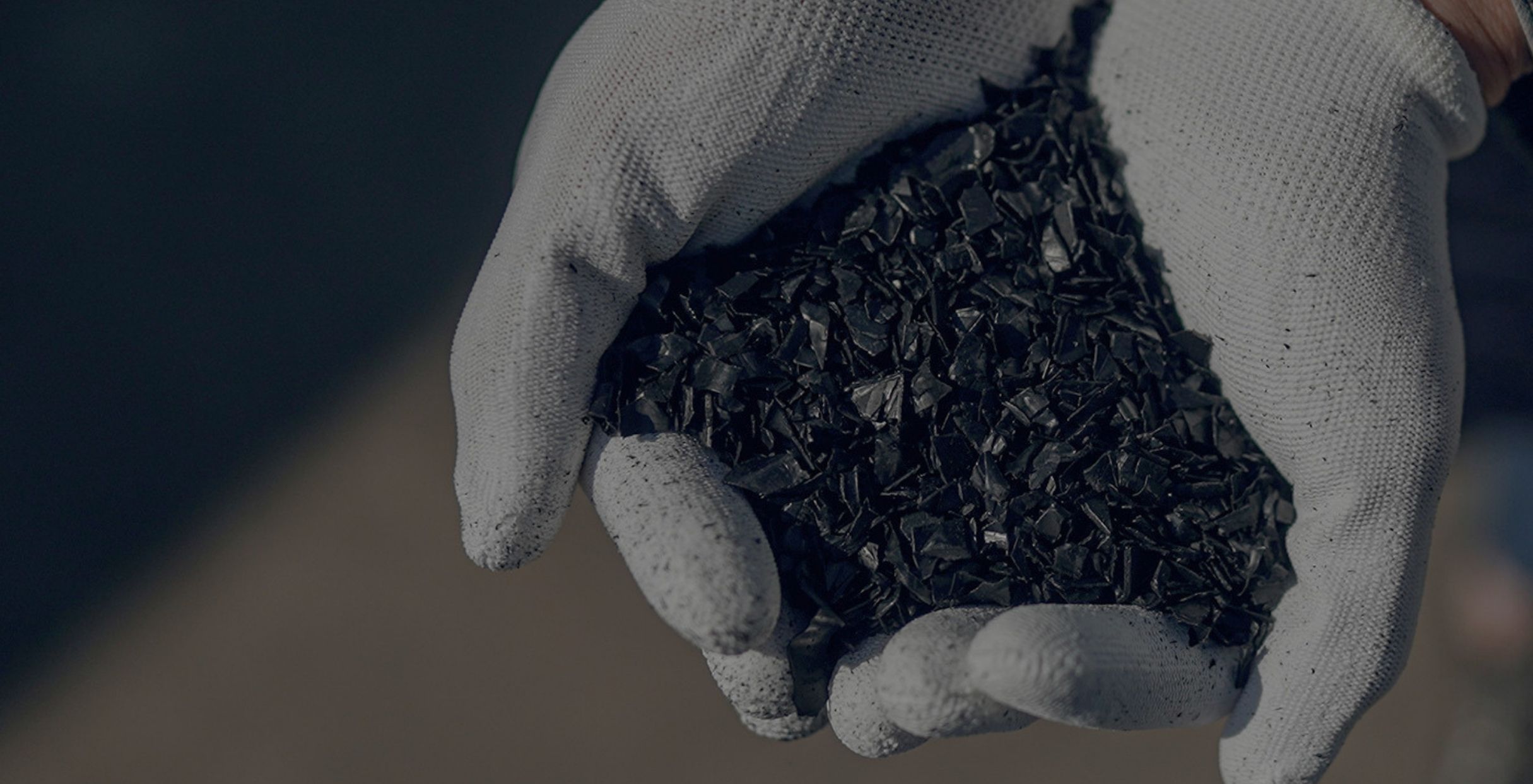
Plastics (PE, PP, PET, etc.)

Image de la carte

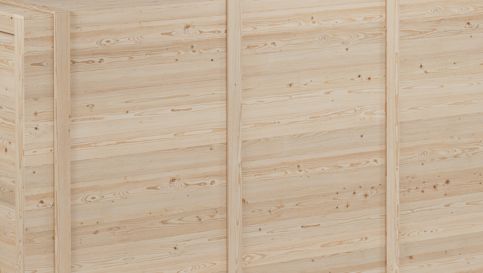
Wood and plywood

Image de la carte

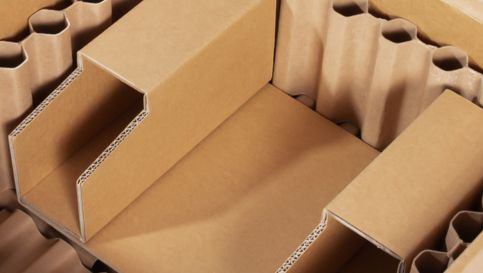
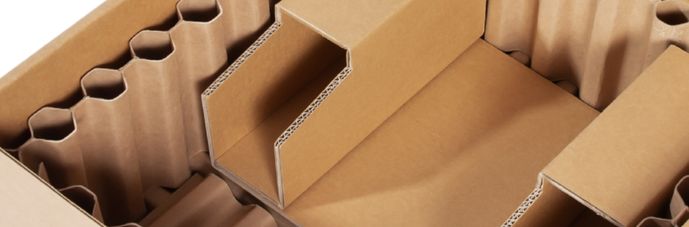
Paper and corrugated board

Image de la carte

Metal (steel and aluminium)

Image de la carte

Straw (agricultural fiber)

Design for recyclability

At Nefab, we design packaging to keep materials in use for as long as possible. By focusing on smart design, responsible material choices, and clear recycling guidance, we help our customers reduce waste and support a more circular economy.

About the recycling of plastic materials

How should I properly dispose of plastic packaging?

  • Empty completely and remove residual product
  • Lightly rinse if required by local guidance
  • Place in plastic or packaging recycling as instructed locally
  • Follow national sorting rules (bin color, deposit schemes, etc.)

Please do not dispose of plastics that still contain product residues. You should also avoid mixing plastics with general waste when recycling is available, and never assume that compostable plastics go into the standard recycling bin.

What factors affect the recyclability of plastic packaging?

Mono-material packaging, which uses a single polymer, is the easiest type to recycle. Clean and dry input significantly improves the quality and yield of the recycling process. On the other hand, dark colors, fillers, or additives can reduce how easily an item can be recycled.

What are the main benefits of recycling common plastics?

Standard polymers like PE, PP, and PET are widely recyclable across the EU. Plastic packaging is lightweight, which helps lower transport emissions. Recycling these materials also allows us to use recycled plastic content to create new packaging.

What are the key PPWR requirements in the EU?

The Packaging and Packaging Waste Regulation (PPWR) states that all plastic packaging must be recyclable by the year 2030. It introduces mandatory recycled content targets for specific applications and requires harmonized EU labeling to make material identification and sorting easier.

Under the PPWR, standard plastic packaging must display a harmonized EU material and sorting mark. This clearly identifies the plastic and helps consumers dispose of it in the right recycling stream.

Compostable plastics have different rules. They must carry a specific EU compostability mark and must never be labeled as recyclable. All claims on the packaging must be accurate and avoid misleading the consumer.

How does Nefab approach packaging design and recycling?

Nefab designs plastic packaging to fully support PPWR labeling requirements. Whenever plastics are necessary, we prioritize mono-material solutions to maximize recyclability and support environmental goals.

What do the standard plastic material codes mean?

You will often see numbers inside the recycling triangle on plastic items. These codes identify the type of plastic used:

  1. PET
  2. HDPE
  3. PVC
  4. LDPE
  5. PP
  6. PS
  7. O (Other)

About the recycling of wood & plywood materials

How should I properly dispose of wood and plywood packaging?

We recommend reusing or repairing your wooden packaging whenever possible. When it is time to throw it away, use designated wood recycling facilities or approved collection programs. If you can, remove any metal fittings before you recycle the wood.

What do I need to know about recycling wood and plywood?

Recycling centers prefer untreated or lightly treated wood. If your wood has paint, glue, or chemical treatments, you may need to arrange for special handling. You can often return large wooden packaging through business-to-business (B2B) recovery systems.

What makes wood and plywood strong choices for recycling?

Wood is a natural, renewable material. It offers great potential for repair and reuse, which makes it a perfect fit for return systems and shared equipment pools.

What are the key EU PPWR rules for wood and plywood packaging?

The Packaging and Packaging Waste Regulation (PPWR) places a higher value on reuse than recycling. To meet these rules, your packaging must be durable and easy to repair. We must also minimize any hazardous substances in the materials.

How should I label wood and plywood packaging under the PPWR?

You must clearly identify wood and plywood packaging using material marks or standard accompanying documents. Clear marking helps you separate materials correctly for reuse. Reusable transport packaging might need extra tags to work smoothly with return systems. We prioritize clear material identification to support reuse and pooling systems while leaving off any unnecessary marks.

What is the standard material code for wood and plywood?

The standard recycling material code used to identify wood and plywood packaging is FOR 50.

About the recycling of paper and corrugated board materials

How should I properly dispose of paper and corrugated board packaging?

Flatten your boxes first to save space in the collection bins. Make sure to keep the packaging clean and dry. Place the items in your local paper or cardboard recycling bin following your specific community rules.

Please do not recycle packaging that is wet, greasy, or heavily soiled. You should also avoid throwing paper packaging into the general waste bin when a recycling option exists.

What steps help improve the paper recycling process?

Take off any plastic films, strapping, labels, and extra tape whenever you can. Keep in mind that paper fibers mixed with food, oils, or chemicals cannot go through the recycling process. When you sort items correctly, it helps maintain high-quality recycled fibers.

What makes paper and corrugated board good for recycling?

These materials come from renewable raw resources and see high recycling rates across the world. We can recycle the fibers multiple times. Recycling facilities also find it easy to identify and sort paper products.

What are the main EU PPWR rules for paper packaging?

The Packaging and Packaging Waste Regulation (PPWR) requires that we design all packaging for recyclability. This means avoiding coatings, laminates, or special treatments that block the recycling process. The packaging must also provide clear sorting and disposal instructions.

How should I label paper and corrugated board under the PPWR?

Your paper and cardboard packaging must show a standard EU material mark indicating the specific type of paper or corrugated board. These labels must stay clearly visible and easy to understand so they guide people to the correct recycling stream. We use clear material marks for fiber-based packaging while skipping any extra printing that might harm the recycling process.

What are the standard material codes for paper packaging?

You will see these specific codes used to identify different paper products:

  • PAP 20: Corrugated fiberboard
  • PAP 21: Non-corrugated paperboard
  • PAP 22: Standard paper

About recycling metal materials

How should I dispose of metal packaging?

Empty the packaging completely before you throw it away. Place it in your local metal or mixed packaging recycling bin. If the packaging contains different parts, separate the metal components from other materials whenever you can.

What actions should I avoid when recycling metal?

Never throw away metal packaging that still has leftover product inside. Also, do not permanently attach metal to non-recyclable materials if you can keep them separate.

What steps help improve the metal recycling process?

You might need to take apart mixed-material packaging by hand before you recycle it. Sending clean metal to the recycling center helps them recover materials more efficiently and produces higher-quality recycled metal.

What makes metal a strong choice for recycling?

We can recycle metal endlessly without losing any material quality. Scrap metal holds a high value, which builds strong and active recycling markets. Recycling metal also saves a massive amount of energy and cuts carbon emissions compared to producing brand new metal.

What are the key EU PPWR rules for metal packaging?

The Packaging and Packaging Waste Regulation (PPWR) requires us to make packaging recyclable on a large scale. These rules focus heavily on using more recycled content, improving material efficiency, and applying standard labels.

How do I label metal packaging under the PPWR?

Your metal packaging must display a standard EU sorting label that identifies the exact type of metal. This label helps you place the item in the correct collection bin, whether the packaging uses a single material or combines several. We fully support standard metal labels because they speed up the sorting process while keeping your packaging strong and durable.

What are the standard material codes for metal packaging?

You will see these standard codes used to identify different metal products:

  • FE 40: Steel
  • ALU 41: Aluminum

About recycling straw materials

How should I dispose of straw-board packaging?

Place the packaging in your local paper or cardboard recycling bin, provided your community accepts it. Make sure to keep the material clean and dry, and always follow your specific local waste-sorting rules.

What actions should I avoid when disposing of this packaging?

Never throw away packaging covered in leftover food, liquids, or heavy dirt. Do not put this material into plastic or metal recycling streams. You should also keep it out of the organic waste bin unless your local authorities specifically instruct you to place it there.

What factors improve the recovery process for straw materials?

Successful recovery depends on what your local paper and board recycling centers accept. Sending clean fibers to the facility allows for much higher-value recycling. You need to remove any attached materials, like plastic films and tapes, whenever you can. Keep in mind that heavy moisture or deep soiling will ruin the material and prevent recycling.

What are the environmental strengths of straw-board packaging?

We make this packaging using renewable agricultural by-products. This approach reduces the need to harvest virgin wood fibers. The material fits perfectly into existing paper recycling systems across many regions and actively supports continuous fiber recycling loops. Additionally, the lightweight design helps cut down on carbon emissions during transport.

What are the key EU PPWR rules for this straw-based packaging?

he Packaging and Packaging Waste Regulation (PPWR) requires us to design the packaging for full recyclability within standard paper systems. The material structure must allow for effective, large-scale recovery that meets EU standards. Using renewable and secondary raw materials supports these goals, as long as the final product remains highly recyclable.

How do I label straw-board packaging under the PPWR?

Your straw-board packaging must display a standard EU sorting label that directs people to use the paper and cardboard recycling stream. These labels must stay highly visible, legible, and easy for end users to understand. The labels must never make misleading claims and should only show real, available recovery routes. We apply compostable claims responsibly and support clear labeling to ensure straw-based packaging goes to the right organic recovery path when appropriate.

What are the standard material codes for straw-board packaging?

Depending on the exact product design and structure, you will use one of these two standard codes:

  • PAP 21: Non-corrugated paperboard
  • PAP 22: Paper