Growing electricity demand is putting energy infrastructure in the spotlight. Grid expansion, electrification and the growth of AI infrastructure all depend on energy equipment reaching its destination ready for installation. The International Energy Agency projects that global electricity consumption from data centers will “more than double by 2030”.
Energy equipment supply chains are already under pressure. In 2025, the IEA reported that procuring large power transformers could take up to four years, with average lead times almost doubling since 2021. These long waits make avoiding further delays even more important.
Packaging and logistics cannot resolve manufacturing capacity constraints, but reviewing how equipment is packed, moved and unpacked can identify opportunities to save time and improve handling.
This is where I see an opportunity to review packaging and the work surrounding each shipment. Can the packaging be easier to open? Could a handling or repacking step be avoided? What will happen to the materials once the equipment is installed?
Review packaging when production or shipping arrangements change
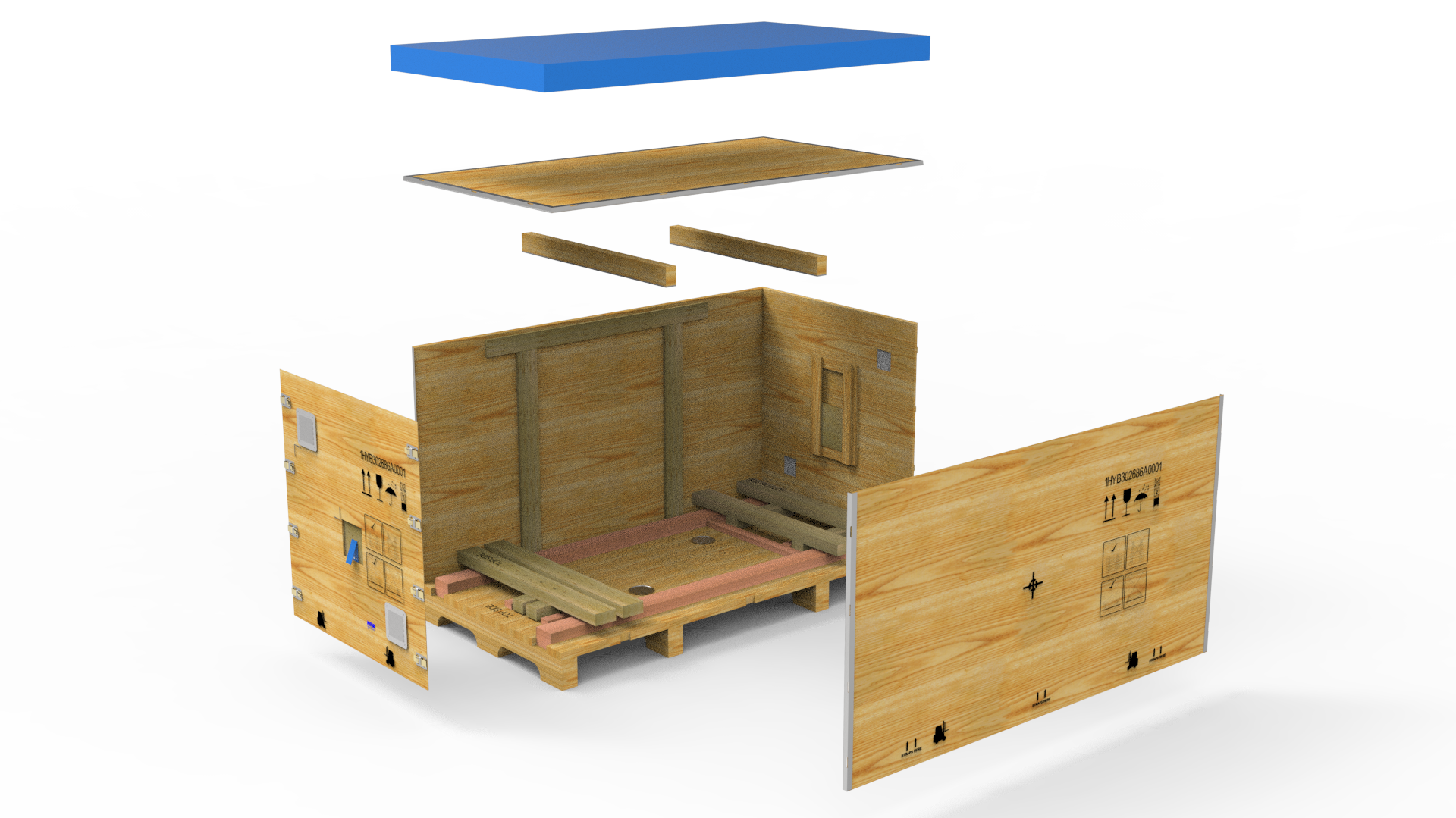
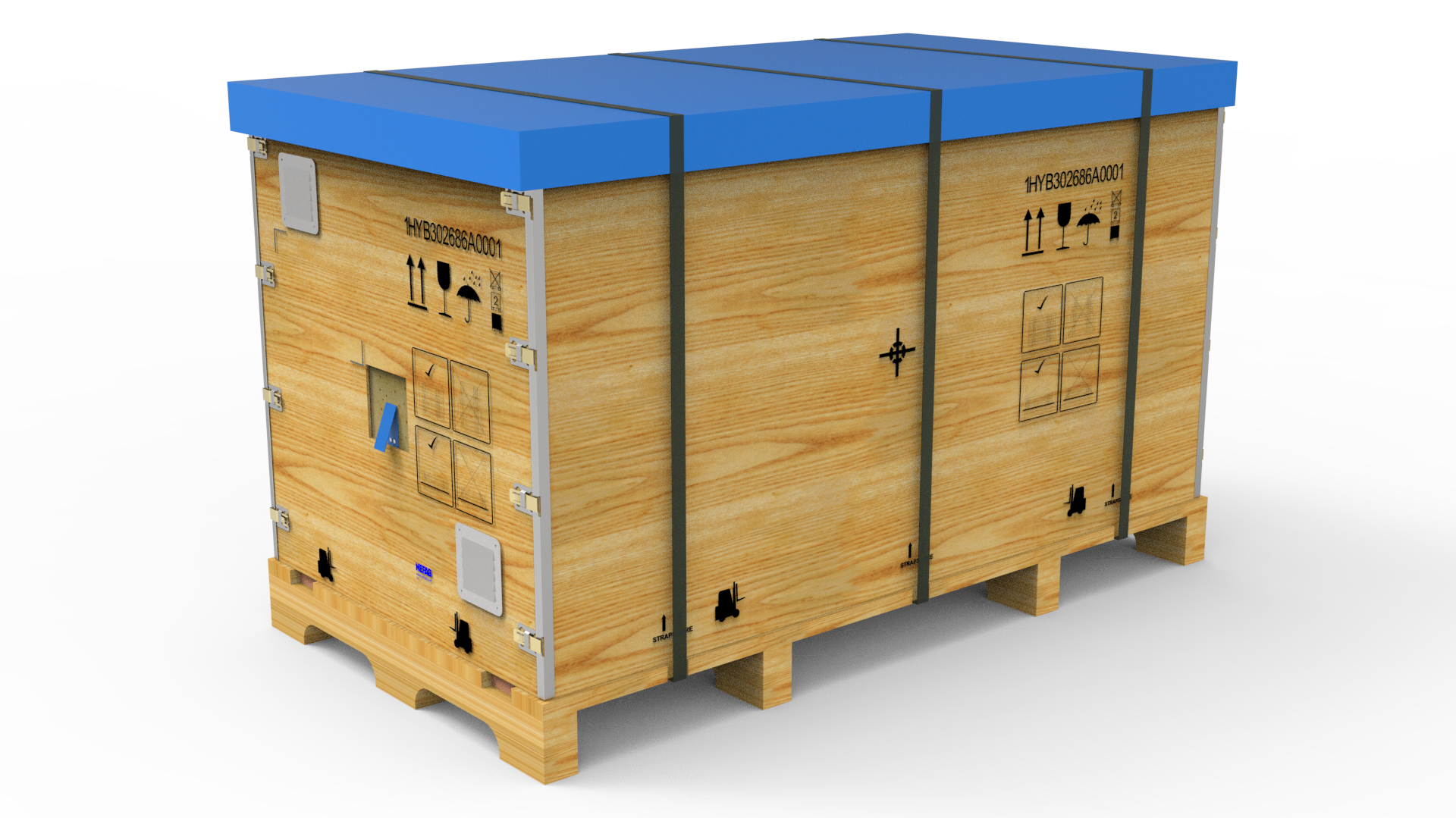
We recently worked with a global energy solutions company whose products remained the same, but whose assembly arrangements changed. Instead of shipping a completed switchgear unit, the company began sending a critical component to another country for further assembly. The packaging now had to support two transport stages and the work between them: unpacking, accessing the component, adding parts and repacking for onward shipment.
Our engineering team reviewed the protection and handling requirements for both transport stages, the assembly work at the receiving facility and the subsequent repacking process. They developed a customized plywood solution with protective internal fitments and spring clip closures that simplified assembly and disassembly. The new design reduced customer’s packing time by 40% and improved container utilization (read the switchgear packaging case study).
For me, the most important lesson is that packaging should reflect the work people need to perform along the route. In this case, that meant easier unpacking and repacking between manufacturing sites. For other shipments, the priority may be safe equipment removal at installation or managing materials at a remote destination.
Simplify unpacking and repacking between manufacturing sites
The sending and receiving teams see different parts of the same journey. Bringing them into the discussion can reveal requirements that would otherwise be missed.
At the dispatch site, the focus might be on packing speed and container utilization. At the receiving site, the immediate concern may be where to store the shipment, how to move it to the assembly area and what to do with the packaging once it is open.
Between unpacking and onward shipment, panels and fitments can be misplaced or discarded. Designated storage and labels linking them to the component help keep them available for repacking. Clear instructions should also explain which fitments remain suitable after assembly and how to secure the equipment for its next journey.
Design packaging for safe unpacking at installation
For large energy equipment, unpacking is an important engineering consideration. Equipment weight, lifting access, restraint positions and the available working space all influence how it can be unpacked safely.
I would want to understand the opening sequence, access to securing points and how lifting equipment will reach the product. Can workers release the restraints from an accessible position? Will the equipment remain stable throughout the unpacking process?
These questions connect efficiency with health and safety. A packaging design review should consider how people can perform each task safely, with clear instructions and an agreed handling method.
The destination matters, too. A process developed for a well-equipped factory may need adapting for an installation site with limited space, fewer handling resources or difficult access. Manufacturers should establish those conditions early enough to incorporate them into the packaging design.
Plan packaging reuse, return and recycling
At remote locations, packaging materials need to be stored, reused, returned or collected, and local options may be limited.
Those arrangements belong in the packaging design brief. Which materials can local recycling services accept? Could components be reused? Is a return route available, and does it make operational sense?
I would start by following one shipment from the packing station through to final installation. Record every opening, movement and repacking task, including what happens to the packaging afterward. Use that review to identify steps that could be removed or made easier and safer.
If your production or shipping arrangements have changed, talk to our team to see if packaging still supports the way you work.
GET IN TOUCH
Contact us to learn more about our smart and sustainable solutions.
LEARN MORE
Solutions for the Energy Industry
Integrated Packaging and Logistics Solutions for the Energy Sector
GreenCalc
Nefab’s own certified calculator measures and quantifies financial and environmental savings in our solutions
Global Supply & Local Services
With over 250 engineers across more than 30 locations, working together in a global network, you can count on us for your next packaging project.