新的產品類別
進軍重型包裝領域
加拿大市場在90年代迅速增長。1992 年,公司成立了一個專門的部門--重型部門,主要面向需要大型包裝解決方案的公司。重型部門生產帶有膠合板外殼和大型棧板的大型螺栓撬,為各種有重型需求的客戶提供服務,例如需要運輸超大型渦輪機和發電機的能源公司。
1990年代初,全球爆發了金融危機,使Nefab的銷量下降,利潤減少。但即便在艱難時期,Nefab 仍在繼續投資和擴大全球業務。在 90 年代蓬勃發展的兩個營業單位是電信和汽車產業,以及 Nefab 在加強其可回收解決方案的產品群組方面採取了重要措施,以更好地滿足汽車參與者的需求。行動電話的蓬勃發展,以及其他行業對重型包裝的需求,也驅動 Nefab進一步向亞洲和美洲擴張。
加拿大市場在90年代迅速增長。1992 年,公司成立了一個專門的部門--重型部門,主要面向需要大型包裝解決方案的公司。重型部門生產帶有膠合板外殼和大型棧板的大型螺栓撬,為各種有重型需求的客戶提供服務,例如需要運輸超大型渦輪機和發電機的能源公司。

1990年代,汽車產業正經歷重大變革。 越來越多汽車企業在優先出口市場設立組裝廠,以滿足縮短交貨週期的需求。隨著這些變革,Nefab在不同汽車製造商的中央生產單位、其分包商、當地組裝廠、經銷商及維修廠之間的新貨物流動中,迎來了若干引人注目的商機。當時Nefab已在其自身產品流中研發並使用可重複使用包裝近十年。這份專業知識與技術經驗被運用於開發 RePak 產品概念,並於1992年正式推出。
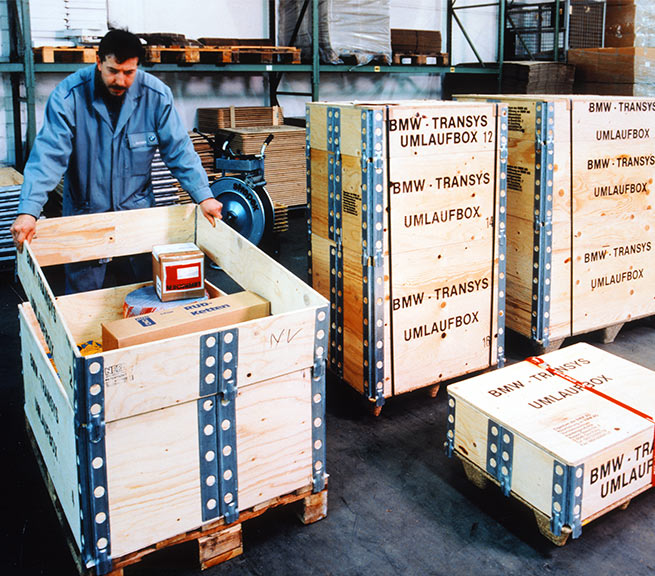
RePak 概念與 Vikex 類似,設計成折疊式,以節省運輸和倉儲空間。這兩種解決方案的主要區別在於,RePak 的設計可重複使用,並可在固定交貨點的配送流程中使用。有了 RePak,客戶可以在配送點之間多次使用相同的包裝,從而降低包裝成本,減少對環境的影響。
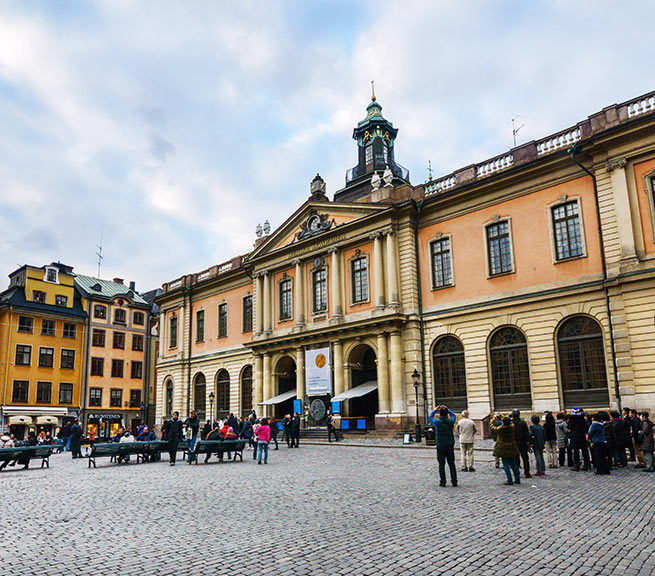
1996 年 5 月,Nefab 在斯德哥爾摩證券交易所上市,從而進一步推動了國際擴張。20 世紀 90 年代,電信設備行業逐漸成為 Nefab 的主要客戶群,這也是公司增長的主要驅動因素。 90 年代末,公司決定進軍巴西。1997 年在巴西設立了辦事處,1998 年 10 月巴西製造廠開始運營。移動革命在中國也逐漸成為現實,因此,1997 年,Nefab 決定在無錫建立生產基地。在接下來的幾年裡,無錫生產基地在中國各地建立更多的生產基地。