Brug mindre, gem mere, spild intet
Vores engagement i cirkulær økonomi bygger på en helhedsorienteret tilgang, der fokuserer på materialeinovation, reduktion af driftsaffald, forbedring af håndteringen ved udtjente produkter samt udvikling af emballageløsninger, hvor cirkulær økonomi er i centrum.
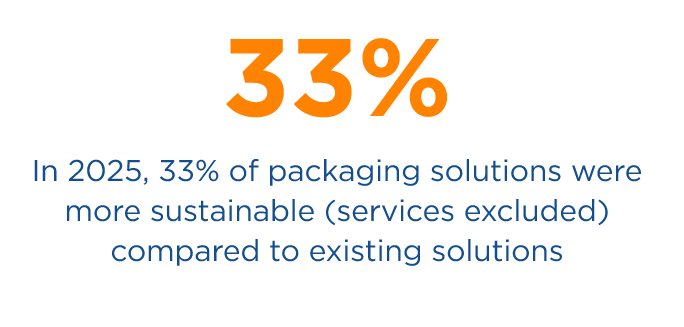
75 % af salget af emballageløsninger er mere bæredygtigt
Som led i vores cirkulære strategi gennemfører vi pilotprojekter med tilbagetagnings- og genbrugsprogrammer i tæt samarbejde med kunderne for at indsamle brugt emballage, forlænge produkternes levetid og genindføre materialer i værdikæden. Disse tiltag fremmer affaldsforebyggelse og materialecirkularitet gennem praktiske og skalerbare løsninger. Ved at udnytte vores globale tilstedeværelse og lokale ekspertise prioriterer vi cirkulære forbedringer, der bygger videre på eksisterende emballagedesign. For at understøtte vores langsigtede bæredygtighedsmål har vi sat et mål om, at 75 % af vores emballagesalg i 2030 skal være mere bæredygtigt ved at opfylde mindst ét af fire definerede bæredygtighedskriterier.
- Reduktion afCO2-ækvivalentudledningen
- Reducerer mængden af affald på lossepladsen
- Øget indhold af genbrugsmaterialer
- Materialer fra ansvarligt forvaltede skove
Lukker kredsløbet for en bedre fremtid
Cirkularitet står øverst på Nefabs bæredygtighedsstrategi og udgør en af grundpillerne i vores bæredygtighedsramme. Vores fokus har udviklet sig fra at muliggøre cirkulære løsninger til aktivt at prioritere ressourceeffektivitet og affaldsforebyggelse, så vi sikrer, at cirkulære principper ligger til grund for beslutningstagningen inden for design, materialer og drift.
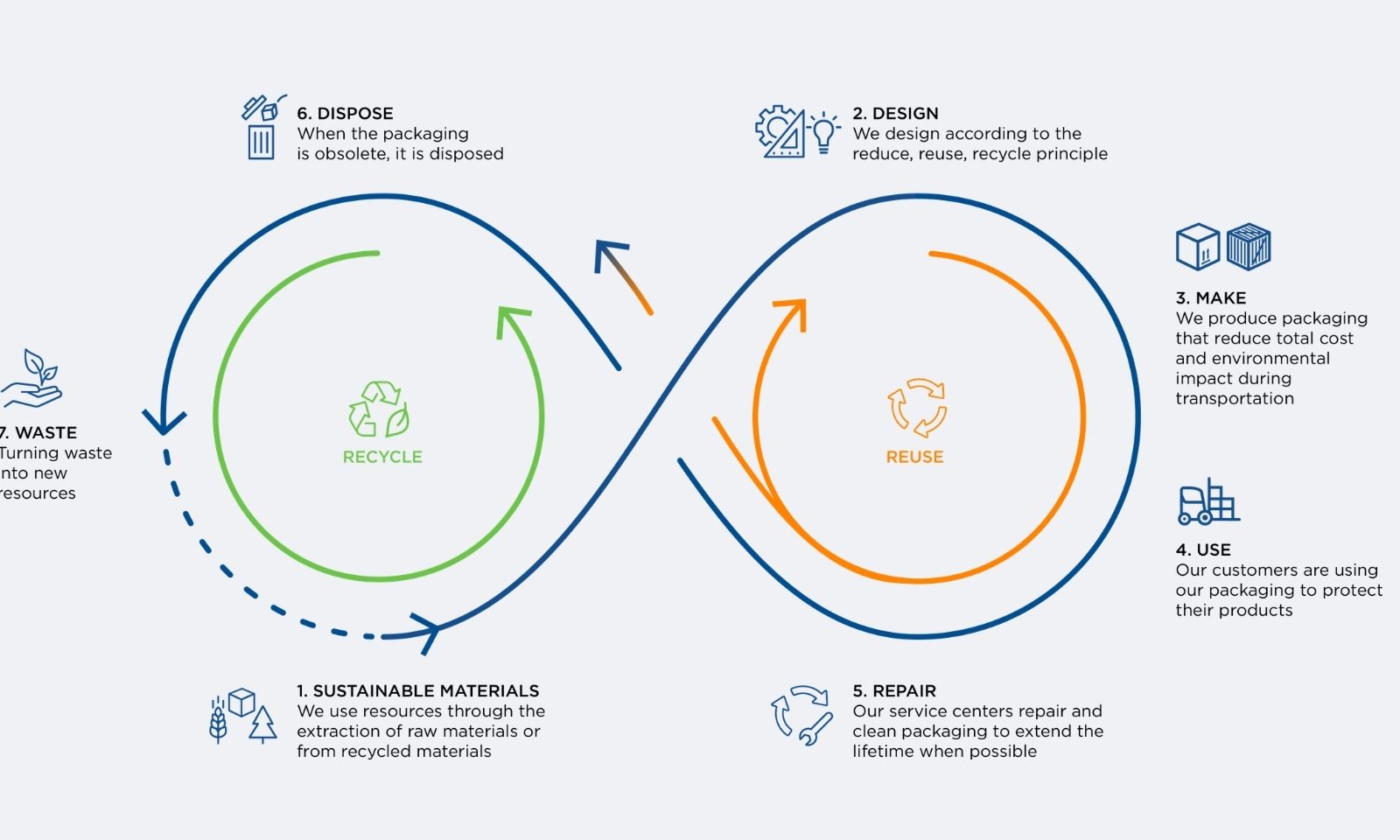
Vores tilgang til cirkulær økonomi følger et klart hierarki for ressourceeffektivitet, der er i overensstemmelse med principperne for cirkulær økonomi. Det mest bæredygtige resultat opnås ved at reducere materialforbruget gennem optimeret design og eliminering af unødvendig emballage. Hvor det er muligt, prioriteres genbrug i designet og materialerne for at forlænge emballagens levetid inden for lukkede kredsløbssystemer og dermed forhindre affaldsproduktion. Når genbrug ikke er muligt, sikrer genanvendelse, at materialerne forbliver i økonomien ved at genvinde værdi og reducere behovet for nye ressourcer. Ved konsekvent at anvende dette hierarki støtter vi affaldsforebyggelse, effektiv ressourceudnyttelse og overgangen til mere cirkulære emballagesystemer.
Cirkulær designtilgang
Når vi hos Nefab udvikler bæredygtige løsninger, anvender vi en cirkulær økonomitilgang baseret på de 3 R’er og den cirkulære sommerfuglemodel, hvor vi tager højde for emballagens fulde livscyklus – fra materialetilførsel og produktion til distribution og bortskaffelse.
Ved hjælp af værktøjer som GreenCalc følger vores ingeniører tre designprincipper:
- Design med henblik på at reducere »
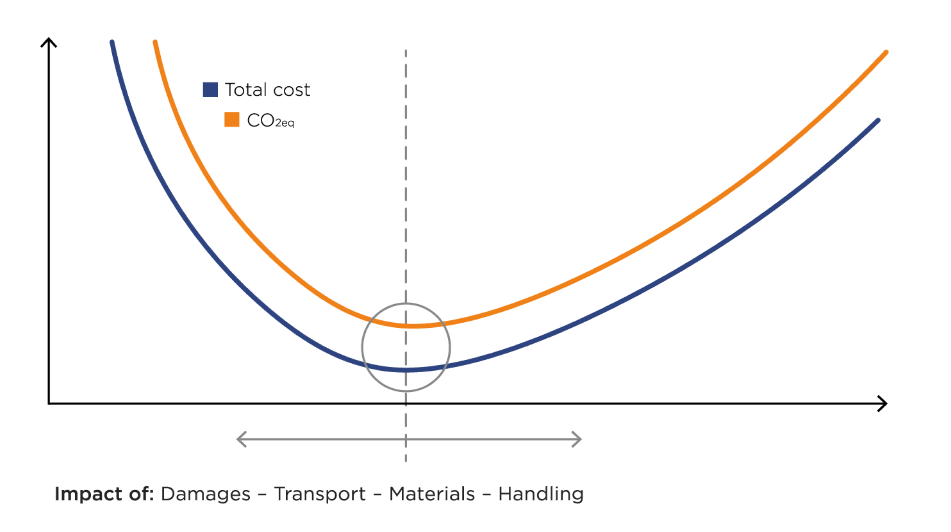
« Reduktion af materialeforbruget og transportressourcerne er et centralt princip i 3R-princippet. Hos Nefab anvender vi strategier som lastoptimering og effektiv emballagehåndtering for at minimere materialeforbruget, mindske transportrelaterede miljøpåvirkninger og sikre produktbeskyttelsen, samtidig med at vi forbedrer driftseffektiviteten. - Design med henblik på genbrug
Design med henblik på genbrug er et vigtigt redskab til at spare på ressourcerne. Nefab fremmer genanvendelig emballage ved at forlænge emballagens levetid, effektivt administrere puljer af returemballage og vælge design, der kan repareres og genbruges i hele forsyningskæden, hvilket mindsker affaldsproduktionen. - Design med henblik på genanvendelse
Når genbrug ikke er muligt, prioriterer Nefab emballagematerialer med et højt indhold af genanvendt materiale, som er designet med henblik på genanvendelighed. Denne tilgang fremmer materialegenvinding og bidrager til cirkulære materialestrømme, når produktet er udtjent.
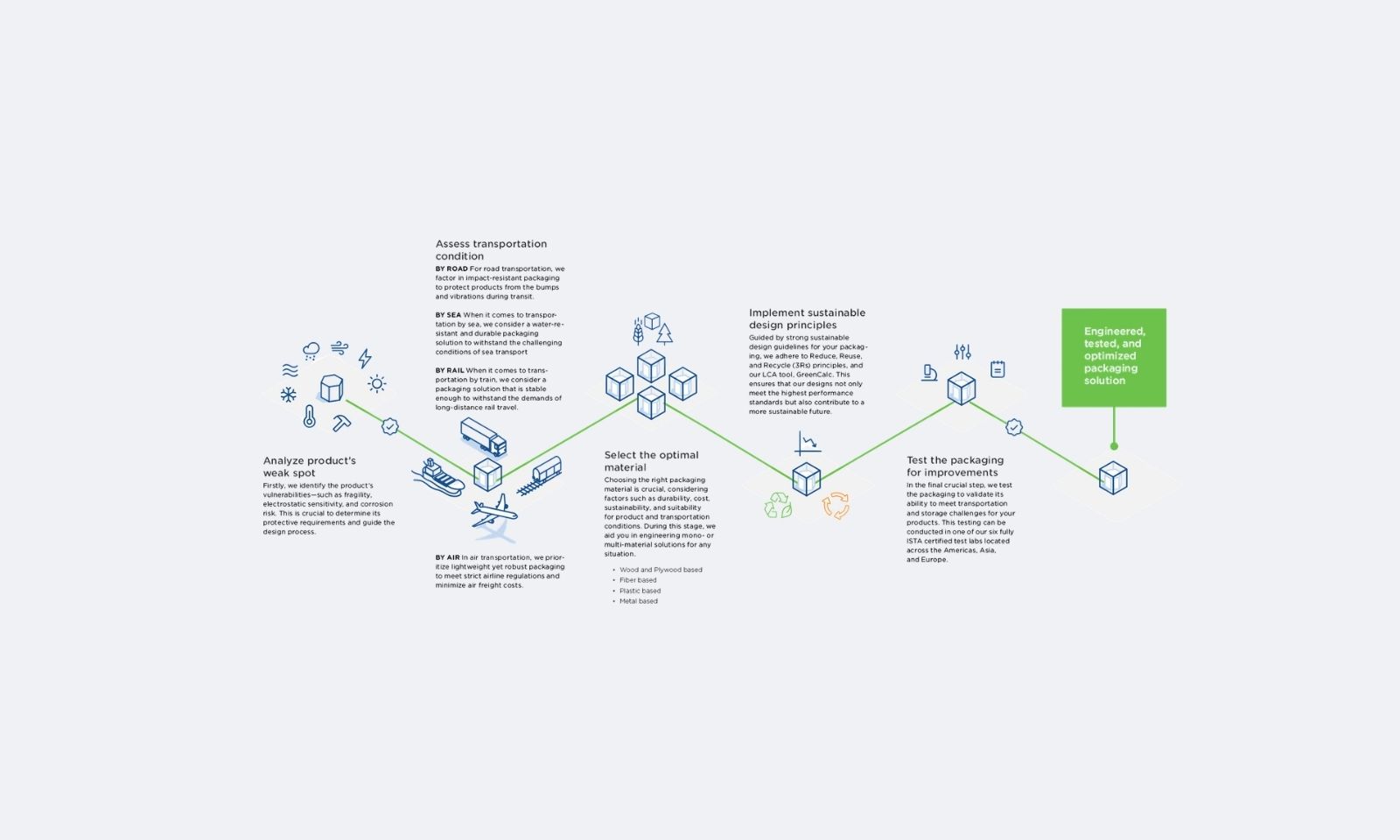
En 5-trins tilgang til en optimeret, bæredygtig emballageløsning
Hvert produkt og hver forsyningskæde byder på unikke udfordringer, der skal løses. Det er afgørende, at en emballageløsning udformes med hele forsyningskæden for øje, så disse udfordringer håndteres effektivt. Hos Nefab følger vi en femtrinsproces for at optimere dit produkts vej gennem forsyningskæden.
Fremme af cirkularitet gennem Nefabs servicecenter
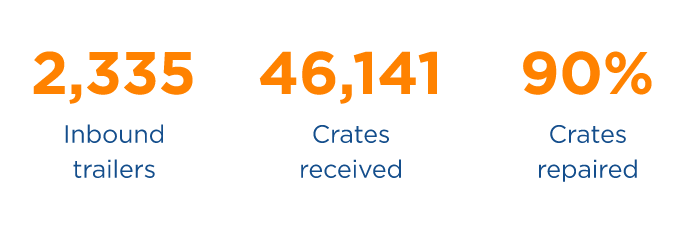
Nefabs servicecentre spiller en central rolle i at omsætte principperne for cirkulær økonomi til den daglige drift. Siden 2023 har servicecentret i Atlanta, Georgia, hjulpet kunderne med at forlænge levetiden for industriel træemballage
og muliggjort en mere ansvarlig håndtering af emballagematerialer, når de er udtjente.
Kernen i denne model er reparation af industrikasser. Ved at reparere og genindsætte trækasser i brug reducerer Nefab behovet for produktion af ny emballage og hjælper samtidig kunderne med at mindske affaldsmængden og de dermed forbundne emissioner fra
. Løsninger, der prioriterer reparation, holder materialekredsløbene korte og giver både miljømæssige og økonomiske fordele i forhold til engangsalternativer.
Udover at udføre reparationer fungerer servicecentret som et operationelt knudepunkt for genvinding af materialer. Gennem et tæt samarbejde med kunderne behandlede servicecentret i Atlanta 46.141 kasser i 2025, hvoraf næsten 90 % blev repareret og sat i brug igen.
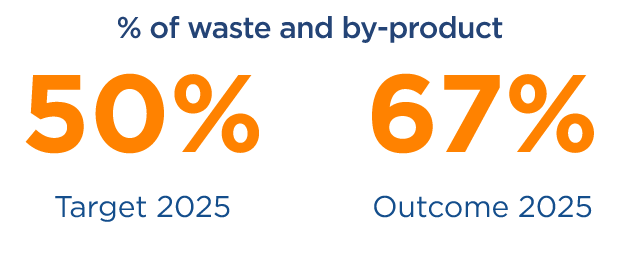
Affaldshåndtering i Nefab-driften (som en del af vores Scope 3)
At reducere driftsaffald er en central del af Nefabs tilgang til cirkulær økonomi og en af de vigtigste søjler i vores bæredygtighedsramme.
På næsten alle Nefabs anlæg verden over arbejder medarbejderteams aktivt på at identificere og gennemføre forbedringer af affaldshåndteringspraksis med det formål at reducere affaldsproduktionen og øge genanvendelsen i stedet for deponering. For at understøtte dette fortsætter Nefab med at styrke sin tilgang gennem en kombination af medarbejderinddragelse, driftsmæssige tiltag og eksterne partnerskaber:
- Medarbejderengagement og kompetenceudvikling
- Initiativer til reduktion af driftsaffald
- Udvikling af partnerskaber til certificeret genbrug
- Projekter til værdiskabelse af affald og øget genanvendelse
Gennem disse løbende tiltag viser Nefab, at det er muligt at opnå løbende forbedringer inden for affaldshåndtering på tværs af forskellige geografiske områder og driftsenheder.
Charles de Muizon
Direktør for bæredygtighed i koncernen