
Reduktion af emissioner i hele værdikæden
Klimaforandringerne er fortsat en af de mest presserende globale udfordringer, hvilket i høj grad skyldes udledningen af drivhusgasser i værdikæderne. Udledningerne stammer fra en række forskellige kilder, herunder materialeproduktion, fremstilling, logistik og produktanvendelse. For at tackle disse udledninger kræves der en helhedsorienteret tilgang, der forbedrer ressourceeffektiviteten, reducerer energiforbruget og muliggør mere miljøvenlige løsninger i hele forsyningskæden.
Dekarbonisering af kundernes forsyningskæder
De globale forsyningskæder gennemgår en hurtig forandring, der er præget af klimamål, skiftende lovgivning og stigende krav til effektivitet og modstandsdygtighed. For mange producenter er reduktionen af drivhusgasemissioner i hele værdikæden blevet en strategisk prioritet. Hos Nefab erkender vi, at emballage spiller en afgørende rolle i denne omstilling og udgør et konkret redskab til at reducere emissionerne i stor skala i kundernes forsyningskæder.
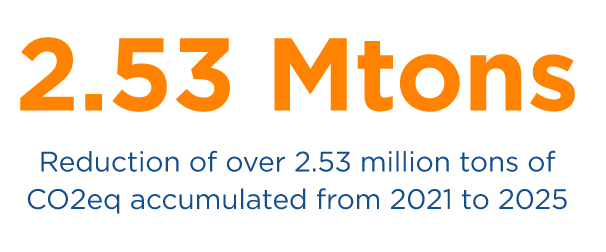
I 2025 fortsatte vi med at skabe betydelige emissionsreduktioner for vores kunder og nåede op på over 2,53 millioner tonCO2-ækvivalenteri samlede besparelser i kundernes forsyningskæder siden 2021, hvilket oversteg vores mål på 2,26 millioner ton.
Et livscyklusvurderingsværktøj (LCA) som et vigtigt skridt i vores salgsproces
For at hjælpe kunderne med at reducere udledningen af drivhusgasser og træffe velinformerede beslutninger om bæredygtighed fortsætter Nefab med at integrere livscyklustænkning i sin proces for emballageudvikling. Centralt i denne tilgang står GreenCalc™, vores egenudviklede værktøj til livscyklusvurdering (LCA), der er udviklet i samarbejde med PRé-Sustainability og baseret på den brancheførende software SIMAPro. GreenCalc ingeniører og kunder GreenCalc at vurdere de miljømæssige og økonomiske konsekvenser af emballageløsninger gennem hele deres livscyklus, fra materialevalg og logistik til slutbehandling, samt at identificere muligheder forCO2eq-og omkostningsbesparelser.
Dekarbonisering af Nefabs værdikæde
Nefab har forpligtet sig til at opnå netto-nul-udledning af drivhusgasser inden 2045, understøttet af en omfattende strategi for reduktion af CO₂-udledningen, der dækker Scope 1-, 2- og 3-emissioner. Vores tilgang omfatter emissioner fra vores egne aktiviteter, herunder brændstofforbrug og kølemidler (Scope 1), samt indirekte emissioner fra indkøbt energi (Scope 2). Vi sætter også fokus på emissioner i værdikæden (Scope 3), såsom emissioner relateret til indkøbte varer og tjenesteydelser,
De vigtigste nøgletal omfatter:
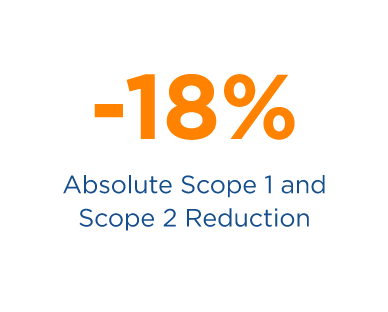
- Absolut reduktionaf CO2-ækvivalenterunder Scope 1 og 2, der måler den absolutte reduktion i emissionerne på tværs af alle Nefabs anlæg sammenlignet med referenceåret 2022. Nye anlæg og opkøb indgår som en del af integrationsprocessen.
- Reduktionaf CO2-ækvivalentintensitetenfor Scope 1 og 2, målt som emissioner pr. 1000 SEK af koncernens samlede omsætning, hvilket giver indsigt i CO2-præstationen i forhold til forretningsaktiviteten og understøtter løbende forbedringstiltag.
Nefabs bæredygtighedsplan for omstilling til kulstoffri drift 2.0 (køreplan mod netto-nul)
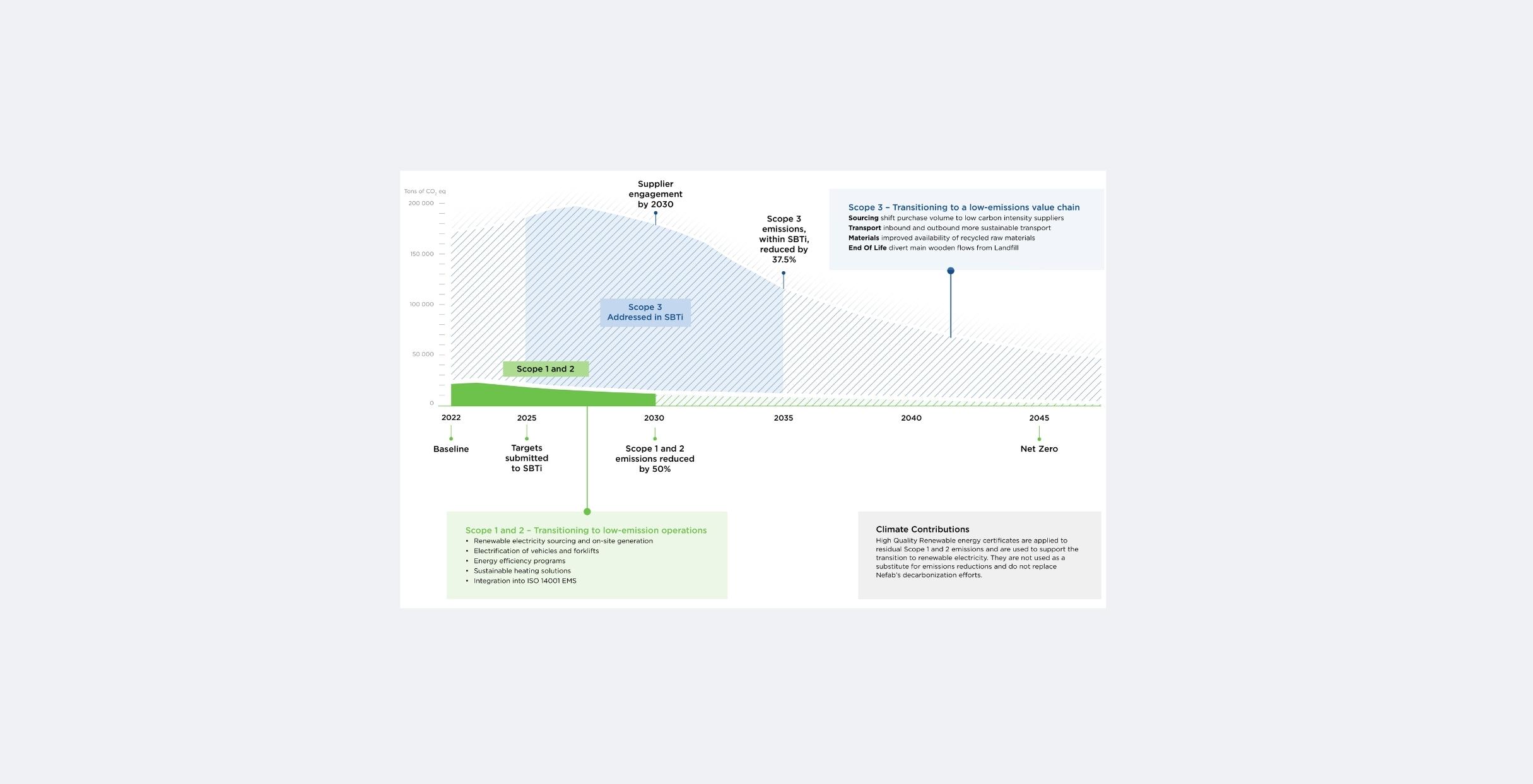
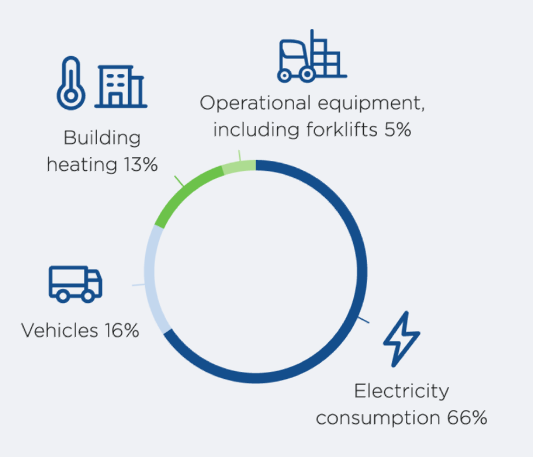
For at fremskynde omstillingen til et kulstoffrit samfund på tværs af sine aktiviteter lancerede Nefab i 2025 sin »Sustainability Carbon Transition Plan 2.0«, der bygger videre på den oprindelige omstillingsplan, der blev indført i 2020. Den opdaterede plan styrker Nefabs tilgang ved at revurdere Scope 1- og Scope 2-emissionskilder, finpudse reduktionsværktøjerne, styrke ansvarligheden og fortsat fungere som den centrale ramme for emissionsreduktion, overvågning og løbende forbedringer.
På baggrund af en omfattende vurdering af CO₂-udledningskilder på alle Nefabs anlæg er der identificeret fire hovedområder for reduktion af Scope 1- og Scope 2-udledninger:

Charles de Muizon
Direktør for bæredygtighed i koncernen